
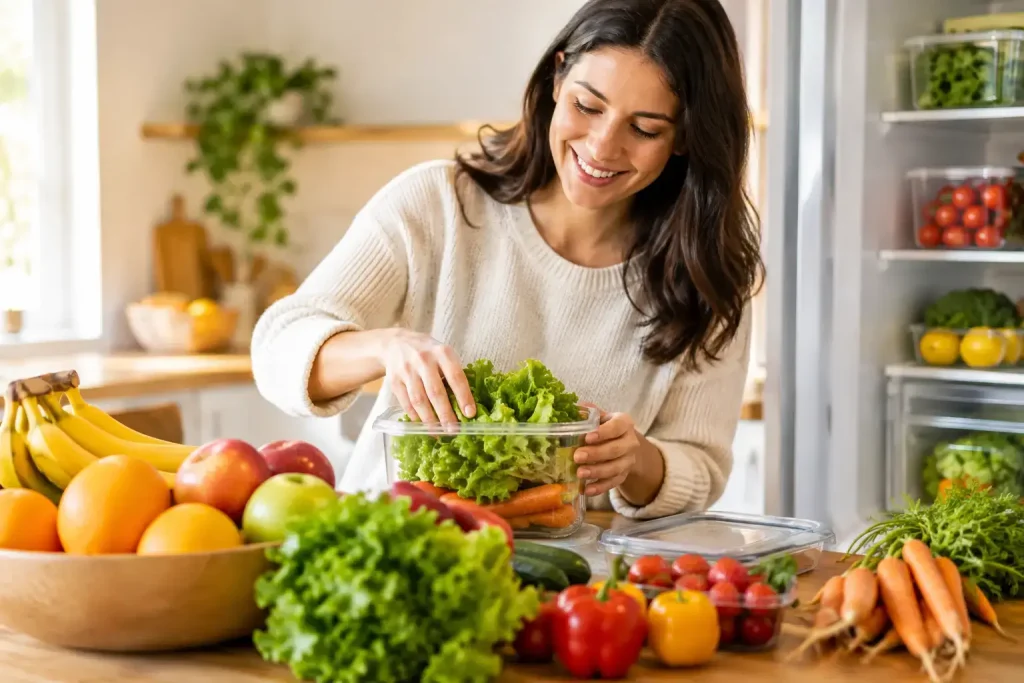
A grocery bag can look full on Saturday and feel disappointing by Wednesday. Soft berries, wilted herbs, shriveled beans, and a forgotten cucumber are not just frustrating – they make your weekly food budget work harder than it should. Learning how to keep fresh fruits and vegetables longer starts with one simple idea: different items need different conditions.
You do not need expensive storage systems or complicated routines. A few smart habits around moisture, airflow, temperature, and timing can help your household get more meals from every shop. That means less waste, easier lunchbox planning, and more ingredients ready when you want to make a quick dal, curry, stir-fry, or salad.
The biggest storage mistake is treating everything the same. Some items stay best cold and dry. Others need a little humidity. A few should stay on the counter until ripe, then move to the refrigerator. When you separate them properly from the start, they hold their texture and flavor for longer.
Before putting anything away, remove tight plastic packaging if it is trapping moisture. Check for bruised or damaged pieces too. One soft item can speed up spoilage in the rest of the bag, especially with berries, grapes, leafy greens, and tomatoes.
It is usually best to wait to wash most items until just before cooking or eating. Water left in folds, stems, and small crevices encourages faster spoilage. The exception is when you have time to wash and dry everything very thoroughly, particularly greens. In that case, proper drying is essential.
A clean refrigerator drawer makes a bigger difference than many people expect. Wipe away old leaves, leaked juice, and condensation before unloading your shopping. Keep a few clean kitchen towels or paper towels on hand to absorb excess moisture from greens and herbs.
Avoid packing drawers too tightly. Air needs room to move around the food. When a drawer is overfilled, it holds moisture and makes it harder to notice what needs to be used first.
Leafy greens such as spinach, cilantro, mint, curry leaves, and lettuce generally do well in the refrigerator. Wrap them loosely in a dry paper towel or clean cloth and place them in a container or reusable bag with a little airflow. If the towel becomes damp, replace it. This small step can give delicate leaves several more usable days.
Root vegetables such as potatoes, onions, garlic, ginger, and sweet potatoes prefer a cool, dark, dry cupboard or basket. Keep potatoes and onions separate. They release gases and moisture that can make each other spoil faster. Do not store these items in sealed plastic bags, where trapped moisture can lead to soft spots.
Tomatoes, bananas, mangoes, avocados, and pears are best left at room temperature while they ripen. Once they reach the softness you like, refrigerate them to slow the next stage. Refrigeration can affect the texture of tomatoes, so if flavor is your priority, buy smaller amounts and keep them on the counter for a few days instead.
Carrots, beans, broccoli, cauliflower, cabbage, and bell peppers generally keep well in the refrigerator. Keep them dry and loosely contained rather than tightly sealed. Cabbage is especially practical for busy households because a whole head lasts longer than many delicate greens and can be used across several meals.
Some fruits release ethylene, a natural ripening gas. Apples, bananas, mangoes, pears, and avocados are common examples. This gas can cause nearby items to ripen or spoil faster.
Keep these fruits away from leafy greens, herbs, cucumbers, carrots, and broccoli when possible. A fruit bowl on the counter is convenient, but do not place it beside a container of greens or a bag of vegetables. A little separation protects the rest of your groceries.
This is also why bananas can turn from green to spotty so quickly when stored with apples. If your household prefers ripe bananas for smoothies or baking, storing them together may be useful. If you want them to last longer for school snacks, keep them apart.
Moisture is not always the enemy. The goal is balance. Leafy items need enough humidity to avoid drying out, but too much water causes slimy leaves. A towel in the container absorbs excess moisture while helping the leaves stay crisp.
Herbs can be handled in two ways. Hardy herbs such as cilantro and parsley often last longer with their stems placed in a small glass of water, loosely covered with a bag, and kept in the refrigerator. Basil is different: it is sensitive to cold and does better in a glass of water on the counter, away from direct sunlight. Change the water every day or two.
Mushrooms need airflow. Store them in a paper bag in the refrigerator rather than a sealed plastic bag. The paper absorbs moisture, helping prevent the mushrooms from becoming slippery.
For berries, remove any damaged pieces as soon as you get home. Store the rest unwashed in a shallow, breathable container lined with a paper towel. Wash only the portion you plan to serve. If you want to wash berries in advance, dry them completely before storage.
Better storage helps, but the most useful habit is using your groceries in the right order. When you unpack, put the most delicate items where you can see them. Plan early-week meals around greens, herbs, berries, cucumbers, and ripe fruit. Save cabbage, carrots, potatoes, onions, and cauliflower for later in the week.
A quick meal plan does not need to be strict. Think of it as a use-first order. For example, make a spinach dal or herb chutney in the first few days, then use broccoli or beans for a weekday stir-fry, and keep potatoes and onions for a weekend curry.
Buying the right quantity matters too. Large packs can offer strong value, but only when your household can use them before they decline. For smaller families, choosing a mix of quick-use items and longer-lasting staples can be more economical than buying everything in bulk.
There is a trade-off between convenience and shelf life. Pre-cut items are helpful when time is short, but cutting exposes more surface area to air and moisture. Whole items almost always last longer.
If you want to prep ahead, choose ingredients that hold up well. Peel and cut carrots, trim beans, or portion cauliflower for a meal in the next two or three days. Store them in airtight containers lined with a dry towel if needed. Leave tomatoes, cucumbers, avocados, and delicate herbs whole until closer to use.
You can also rescue items before they go to waste. Slightly soft tomatoes can become a quick curry base. Wilted spinach works well in dal, paratha filling, or soup. Overripe bananas belong in smoothies, pancakes, or baking. The goal is not perfection – it is making good use of what you bought.
Choosing carefully at the store gives you a head start. Look for firm items without bruises, wet patches, or mold. Avoid overripe fruit unless you plan to use it that day. For leafy bunches, choose crisp leaves without yellowing or slimy stems.
At One Stop Supermarket, a practical weekly shop can include both quick-cooking ingredients for the first half of the week and sturdy kitchen staples for later meals. Pairing your groceries with rice, dals, spices, frozen breads, and ready-to-eat options also makes it easier to build meals around what needs using first.
A five-minute check every couple of days is worth it. Remove anything that is turning, change damp towels around greens, and move ripe fruit into the refrigerator. Those small actions keep your kitchen organized and give you more freedom to cook familiar, comforting meals without another last-minute grocery run.
The best storage routine is the one your household will actually follow. Keep it simple, buy amounts that suit your week, and let the ingredients closest to their use-by point guide tonight’s dinner.