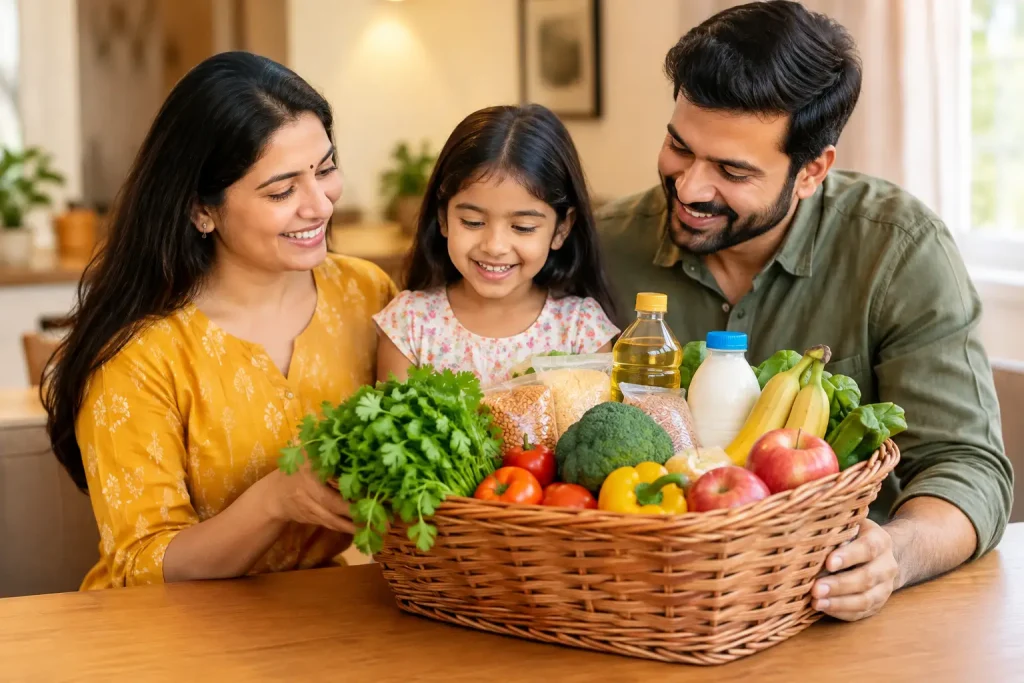
A well-planned basket does more than fill the pantry. It gives your family the ingredients for familiar meals, quick school-night options, and a few comforting treats without making multiple shopping trips. This family grocery basket example is designed for a household of four that enjoys Indian home cooking and wants practical value from every order.
The exact quantities will change with your family’s habits. A rice-loving household may go through a larger bag quickly, while a family that relies on rotis may place atta at the center of the cart. The idea is to build a reliable base first, then add the favorites that make meals easier and more enjoyable.
For a typical family of four, this basket covers core meals, breakfast options, tea-time snacks, and pantry backups. It is not meant to be a fixed rule. Use it as a starting point, then adjust based on what is already in your kitchen and what your family actually finishes.
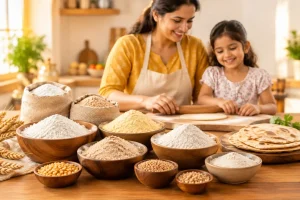
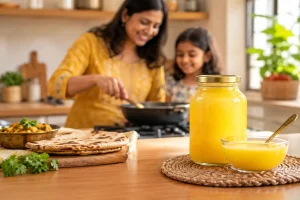
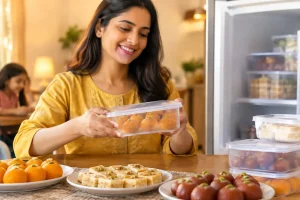
| Category | Example items | Suggested amount | Why it earns a place in the basket | |—|—|—:|—| | Rice and flour | Sona masoori rice, basmati rice, whole wheat atta | 5 kg rice, 5 kg atta | Covers everyday rice meals, rotis, and planned leftovers. | | Dals and lentils | Toor dal, moong dal, chana dal, urad dal | 500 g to 1 kg each | Gives the family variety for dals, khichdi, batters, and snacks. | | Pantry essentials | Salt, sugar, cooking oil, ghee, tamarind, jaggery | Replace as needed | These are the quiet essentials that prevent a recipe from stopping halfway through. | | Spices | Turmeric, chili powder, cumin, coriander, mustard seeds, garam masala | 1 pack each when low | Trusted spices bring familiar flavor to simple home meals. | | Dairy and breakfast | Milk, yogurt, paneer, poha, rava, oats | Based on family use | Makes breakfast and light meals easier to manage during busy weeks. | | Convenience foods | Frozen roti or paratha, instant mixes, ready-to-eat meals | 2 to 4 packs | Useful for late workdays, weekend visitors, or nights when cooking time is short. | | Snacks and drinks | Biscuits, namkeen, chai, coffee, beverages | 2 to 5 items | Keeps tea time covered and reduces last-minute runs to the store. | | Family favorites | Pickles, papad, handmade Indian sweets | 1 or 2 items | A small favorite can make an everyday meal feel complete. |
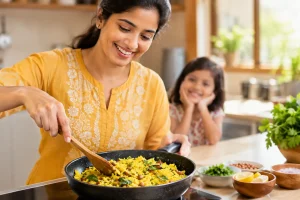
The best basket is built around routine, not around random offers. Think about the five or six meals your household returns to most often. Perhaps it is dal and rice, rotis with a pantry curry, curd rice, poha for breakfast, or parathas on a busy evening. Once these meals are clear, the shopping list becomes much easier to control.
For example, a family that makes dal four times a week may choose toor dal as the larger pack and keep moong dal as a smaller backup. If idli and dosa are regular breakfast choices, rice and urad dal deserve a permanent place on the list. If rotis are served most evenings, it is usually better value to buy atta in a practical family-size bag rather than picking up smaller packs every few days.
This approach also cuts waste. Specialty ingredients can be exciting, but a cart full of items that sit unopened is not a saving. Buy the basics your family uses with confidence, then leave room for one or two new products to try.
A 5 kg bag of rice may be perfect for one family and too much for another. Storage space, meal patterns, and the number of people eating at home all matter. Households with children may move through milk, biscuits, and easy breakfast foods faster, while multigenerational families may need larger packs of rice, atta, dals, and cooking oil.
It also depends on how often you shop. A weekly basket should focus on replenishment. A monthly pantry order can include larger bags of rice, flour, oil, sugar, and favorite dals. Keeping these two shopping rhythms separate helps avoid overbuying convenience foods while ensuring the essentials are always on hand.
Indian grocery shopping is often brand-specific for a reason. The taste of a familiar masala, the texture of a preferred rice, or the consistency of a trusted dal can make a noticeable difference at home. Choosing genuine brands that your family already enjoys is often better value than buying an unfamiliar alternative that goes unused.
Start with the products where quality matters most to you. For many homes, that means rice, atta, lentils, spices, tea, ghee, and dairy. Check the pack size before assuming the lowest price is the best deal. A larger pack can offer stronger everyday value when it is something your household uses regularly and can store properly.
Promotions are most helpful when they apply to items already on your list. If your usual biscuits, chai, instant breakfast mix, or frozen parathas are on special, adding an extra pack may make sense. If the item is new to your family, start small. A good deal is only a saving when it fits your routine.
Even organized weeks can change quickly. A late meeting, tired children, unexpected guests, or a missed meal plan can turn dinner into a rush. This is where a few convenient Indian favorites earn their place in the family basket.
Frozen rotis and parathas are useful to keep on hand for quick meals. Ready-to-eat foods and instant mixes can fill the gap when time is limited, while papad, pickles, and chutneys can add flavor to a simple plate. Biscuits, namkeen, and beverages are sensible choices for tea time, especially when you want something ready without extra preparation.
The goal is not to replace home cooking. It is to give your family practical options that reduce stress and prevent unnecessary takeaway spending. Two or three dependable convenience items are usually enough for a week.
Before adding anything to your cart, take two minutes to check what is already open in the pantry. Start with rice, atta, dals, oil, spices, tea, and dairy. Then add breakfast foods, snacks, and convenience items. Finish with one family favorite, such as a sweet, pickle, or special beverage.
This order works because essentials come first. It makes the basket easier to review before checkout, especially if you are shopping online between work, school pickups, and household responsibilities. You can also keep a running note on your phone whenever a pack is nearly empty. By shopping from that note, you are less likely to forget the small but necessary items such as salt, tamarind, mustard seeds, or yogurt.
For households near Brisbane’s south side, local ordering can make routine replenishment far more manageable. One Stop Supermarket brings together authentic Indian staples, trusted brands, quick meal options, and household favorites so you can add what you need in one place instead of planning several separate stops.
After unpacking, notice what your family reaches for first and what remains untouched. If the tea disappeared quickly but the extra snack pack is still in the cupboard, adjust the next order. If frozen parathas saved two busy evenings, keep them on the regular list. Small observations make each weekly shop more accurate.
A family grocery basket should feel familiar, useful, and flexible enough for real life. Stock the staples that support your everyday meals, choose genuine favorites your family trusts, and keep a few quick options ready for the moments when the week does not go to plan.