A well-stocked freezer can rescue dinner when the rice is cooking, everyone is hungry, and there is no time to start dough from scratch. This frozen indian foods guide helps you choose familiar favorites that make everyday meals faster without losing the flavors your family expects.
Frozen Indian foods are not all meant for the same job. Some are the quick accompaniment that completes a dal or curry. Others become the main snack for tea time, lunchboxes, or unexpected guests. A few are practical cooking staples that save prep time on busy weekdays. Knowing which is which makes it easier to shop with purpose, avoid waste, and always have a reliable meal option at home.
The best freezer selection begins with your regular meal routine. If your household serves dal, paneer dishes, or curries several nights a week, frozen breads are often the most useful place to start. If school snacks and evening chai are the busy moments, savory snacks may earn more freezer space. Families who cook a lot of mixed dishes may find frozen vegetables especially practical.
There is no need to fill the freezer with every variety at once. Buy the products you will use within a few weeks, then add new options gradually. This approach helps you learn which brands, sizes, and textures your household prefers while keeping room for weekly grocery essentials.
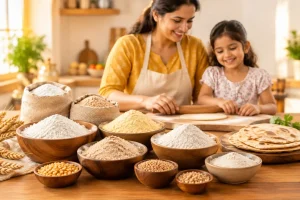
Frozen roti, chapati, naan, and paratha are among the most dependable items to keep on hand. They turn a simple bowl of dal, chole, rajma, or leftover curry into a complete meal in minutes. Each bread has a different role, so choosing based on the meal matters.
Frozen roti and chapati are ideal for straightforward weekday meals. Their lighter texture works well with lentils, vegetable curries, and gravies, and they are easy to warm on a skillet or tawa. Look for packs that suit your household size. A large pack can offer better value for a family, but a smaller pack may be wiser if you only serve roti occasionally.
Heat only what you need and keep the rest tightly sealed. This prevents freezer burn and helps the roti stay soft. For the best result, cook from frozen over medium heat, turning regularly until warmed through with a few light brown spots.
Paratha is richer, more filling, and particularly useful when dinner needs a little more substance. Plain paratha pairs easily with curries, yogurt, pickle, or a quick egg dish. Stuffed varieties, such as aloo paratha, can be a satisfying breakfast or lunch with curd and chutney.
Because paratha contains more layers and fat than roti, it needs a little more time on the skillet. Avoid rushing it over very high heat. A moderate temperature gives the center time to warm while allowing the outside to become golden and crisp. It is a small detail, but it makes a noticeable difference at the table.
Naan is a good choice for richer dishes and family meals that feel a little more special. It is also convenient when serving guests because it warms quickly and has broad appeal. Garlic naan, kulcha, and other specialty breads can add variety, though they are usually best bought for planned meals rather than everyday use.
A good freezer strategy is to keep one everyday bread, such as roti or plain paratha, plus one specialty option for weekends or guests. It gives you choice without crowding the freezer.
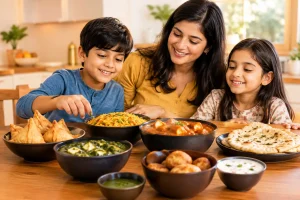
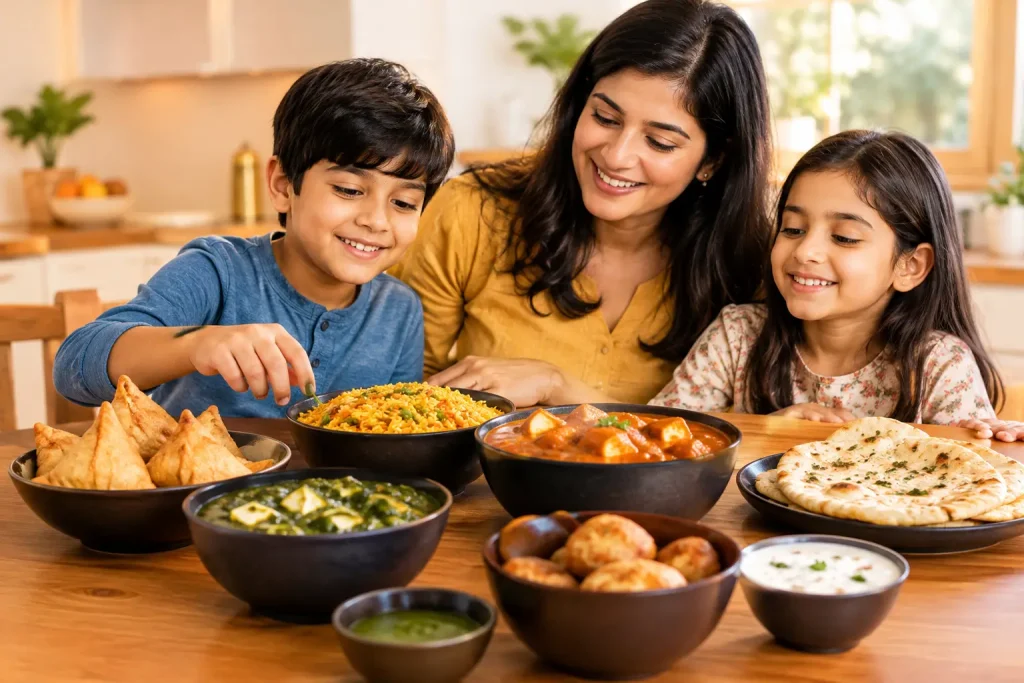
Frozen snacks are one of the simplest ways to prepare something warm and familiar when family or friends stop by. Samosas, kachori, pakoras, cutlets, vada, and similar favorites offer the convenience of a ready-to-cook option with the taste people associate with chai time.
The cooking method matters. Oven baking can be convenient for larger portions and can give a crisp finish with less added oil. Air frying is useful for smaller batches and quick snacks. Traditional frying delivers the classic texture many families prefer, especially for samosas and pakoras, but it requires more attention and cleanup. Choose the method that fits the occasion rather than assuming one is always best.
For a more complete snack plate, serve hot items with mint chutney, tamarind chutney, or tomato ketchup. Add masala chai and a few biscuits, and an ordinary afternoon feels more welcoming without much preparation.
Portion planning is helpful here. Cook only the amount that will be eaten right away whenever possible. Repeatedly warming and cooling prepared snacks can affect their texture, while unopened portions stay better in the freezer.
Frozen vegetables are practical for households that want less chopping and faster cooking. Indian-style mixed vegetables, peas, okra, spinach, and grated coconut can support many home recipes, depending on what your family cooks most often.
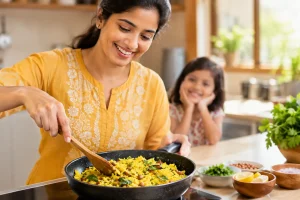
They work especially well in pulao, upma, poha variations, curries, stuffed parathas, and quick side dishes. Frozen peas can go straight into rice or a tomato-onion masala. Frozen spinach is useful for palak-style gravies or dal. Okra benefits from cooking over enough heat to reduce excess moisture and help it cook evenly.
The trade-off is texture. Some frozen vegetables release more water than their pantry or refrigerated counterparts, so give them room in the pan and avoid crowding. Cooking in smaller batches, using a wider skillet, and adding salt later can help keep the dish from becoming watery.
A freezer aisle can be full of tempting options, but the most useful purchase is one that suits your schedule. Before adding a pack to the cart, think about when it will be used. Is it for a five-minute breakfast, a late dinner, tea time, a lunchbox, or a family meal on the weekend?
Check the package for serving size, cooking instructions, storage guidance, and best-before date. Trusted Indian brands often have different styles of the same product, so reading the label can help you find plain, whole wheat, stuffed, spicy, or family-size varieties. If anyone in the household has dietary needs, check ingredients and allergen information before purchasing.
Value is not only about the lowest pack price. A larger pack can be economical if it is used regularly and stored properly. But if half the pack remains forgotten at the back of the freezer, a smaller option may be the better buy. Reliable quality and a product your family genuinely enjoys are what make a freezer staple worthwhile.
Good storage protects both quality and convenience. Keep freezer foods at a consistent temperature and return them promptly after shopping. Once a bag is opened, press out excess air and close it securely. If the original package does not reseal well, transfer the remaining contents to a freezer-safe container or bag and label it with the opening date.
Keep older packs toward the front and newer purchases behind them. This simple first-in, first-out habit helps reduce waste. It also means your quickest meal options are easy to spot when the evening gets busy.
Most frozen Indian foods are designed to cook directly from frozen. Thawing breads or snacks unnecessarily can make them sticky, soft, or harder to cook evenly. Follow the package directions first, then adjust slightly for your stove, skillet, oven, or air fryer. Cooking times can vary by appliance and portion size.
The most practical meals come from pairing freezer items with the staples already in your kitchen. Frozen roti with dal and pickle is a fast dinner. Paratha with yogurt and achar works for breakfast. Samosas with chutney make tea time easy. Frozen vegetables can turn rice, spices, and lentils into a simple, satisfying meal with little planning.
At One Stop Supermarket, shoppers can choose from authentic Indian frozen favorites alongside the pantry staples that make them useful. Keeping a few reliable options ready means less last-minute stress and more chances to put a familiar, comforting meal on the table. Next time you shop, choose one freezer staple for busy dinners and one for tea time, then let your family decide what earns a permanent place.