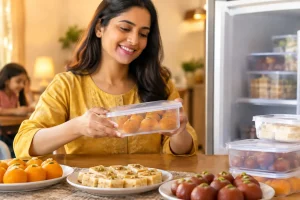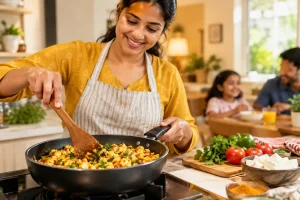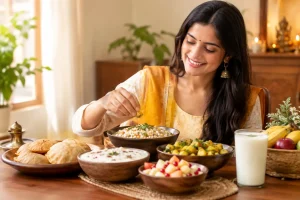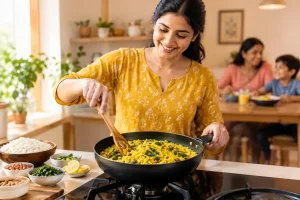
Some nights, dinner needs to happen fast. That is usually when frozen parathas earn their place in the freezer – especially in busy households where everyone wants familiar food without starting from scratch. So, are frozen parathas healthy? The honest answer is yes, sometimes – but it depends on the brand, the ingredients, the portion, and what you serve with them.
Frozen parathas are one of those practical kitchen staples that can make weekday meals much easier. They save time, reduce prep, and help you put together a hot meal in minutes. But convenience food always raises the same question: are you trading too much nutrition for speed? With parathas, the answer is more balanced than many people expect.
Fresh homemade parathas usually give you the most control. You can choose the flour, adjust the oil or ghee, and decide the size and thickness. That makes it easier to manage calories, sodium, and overall fat.
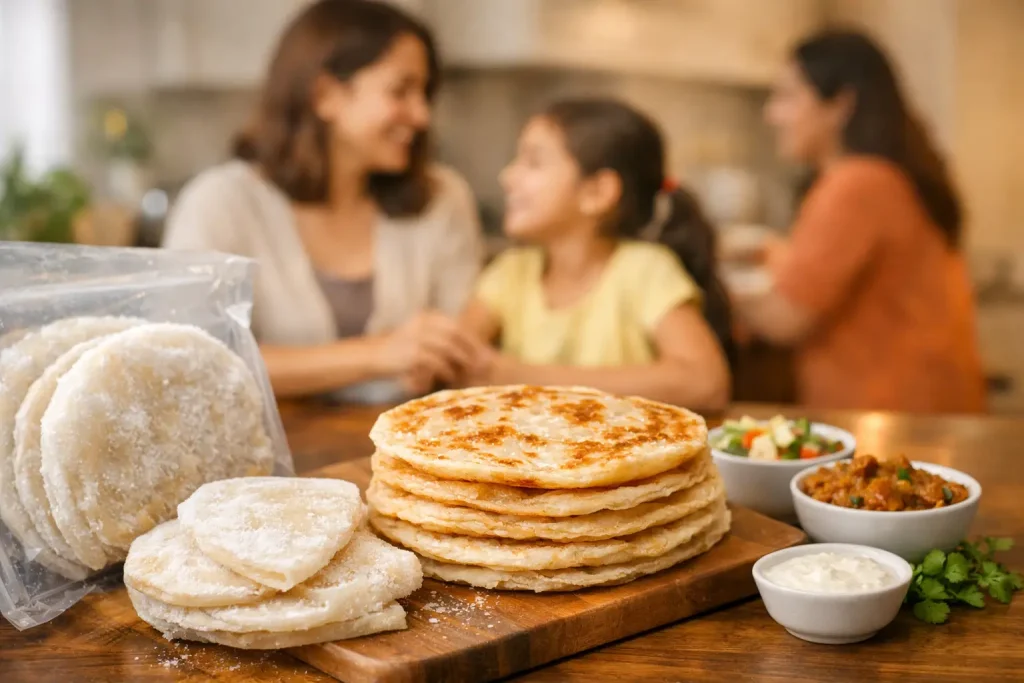
Frozen parathas, on the other hand, are made for consistency and convenience. Many are pre-layered with oil to help create that flaky texture people expect. That often means they are higher in fat than a simple homemade chapati or roti. Some brands also use refined flour instead of whole wheat flour, which lowers the fiber content and makes them less filling.
Still, frozen does not automatically mean unhealthy. A frozen paratha can fit well into a balanced meal if the ingredient list is straightforward and the rest of the plate adds nutritional value. If dinner includes dal, yogurt, or a vegetable-based curry, a paratha can work as the comforting carbohydrate rather than the whole meal.
The biggest factor is the ingredient list. A shorter list is usually better. Flour, water, oil or ghee, salt, and basic seasonings are easier to understand than a long list of additives. If a paratha contains whole wheat flour, that is usually a better everyday choice than one made mainly with refined flour.
The second factor is the type and amount of fat. Parathas need some fat for texture, so the goal is not zero fat. The real question is how much is used and what kind. If one paratha is very high in saturated fat, that matters more if it becomes a daily habit.
Sodium is another detail people often miss. Frozen foods can carry more salt than you expect, especially if they are stuffed or seasoned. For families trying to manage blood pressure or overall sodium intake, checking the nutrition panel is worth the extra few seconds.
Portion size matters too. One paratha served with a complete meal is very different from three parathas eaten on their own. Health is rarely about one product in isolation. It is more about how often you eat it and what it is paired with.
For many households, the healthiest food is not always the one made from scratch. It is the one that helps everyone eat a proper meal instead of skipping dinner or relying on snacks. That is where frozen parathas can be a genuinely useful option.
If you are coming home late, feeding kids between activities, or trying to put together lunch in a hurry, frozen parathas can make a real difference. They cook quickly, store well, and work with many dishes already common in Indian homes. A warm paratha with dal and curd is still a far better meal than a random mix of packaged snacks.
This is especially true for families who keep a few dependable staples on hand for busy days. Convenience has value. When it helps you serve a more complete meal at home, that convenience can support healthier routines rather than disrupt them.
The problem starts when frozen parathas move from backup plan to default every day, especially if the rest of the meal is also heavy. If your plate includes a rich curry, fried sides, and multiple parathas, calories and saturated fat can add up quickly.
They can also be less ideal for people who need more fiber in their diet. Refined flour products tend to digest faster and may not keep you full as long. That can lead to extra snacking later, especially if the meal is light on protein.
Another issue is cooking method. Even though many frozen parathas are designed for a pan, some people add extra oil or butter while cooking. That improves taste, but it also changes the nutrition. If the paratha already contains enough fat, adding more may not do much except increase the calorie load.
You do not need to treat frozen parathas like junk food, and you do not need to pretend they are the same as a simple whole wheat roti. The better approach is to use them well.
Start by thinking of the paratha as one part of the plate, not the full dinner. Pair it with protein-rich foods like dal, chana, rajma, paneer, or yogurt. That helps the meal feel more balanced and filling. If your meal already includes something rich, keep the paratha portion moderate.
It also helps to rotate. Some nights can be paratha nights, while other meals use roti, rice, dosa, or other staples. Variety makes it easier to balance nutrition across the week without giving up convenience.
If you are shopping for family use, compare brands side by side. Look at flour type, sodium, total fat, and serving size. A trusted brand with simple ingredients and reliable quality is often the best middle ground between convenience and everyday value.
For children, frozen parathas can be perfectly fine as part of a broader meal pattern. Kids often enjoy the soft, layered texture, and that can make mealtime easier. The key is to avoid turning them into the only familiar food on the plate.
Serve them with foods that add protein and variety. If a child eats one paratha along with yogurt, lentils, or a mild home-style curry, that is very different from eating paratha with only ketchup or processed sides. The meal around it matters.
For younger kids, portion size is especially important. One smaller serving is usually enough when there are other foods on the plate. This helps keep parathas in the role they should play – tasty, convenient, and satisfying, but not the only source of nutrition.
If you are standing in the freezer aisle wondering which pack to choose, a few details can make the decision easier. Check whether the paratha is made with whole wheat or refined flour. Look at sodium and saturated fat per serving, not just per 100 grams. Also check how many parathas count as one serving, because packaging can make portions look smaller than they are in real life.
Brand trust matters too. In Indian grocery shopping, familiarity is often a strength. Households tend to return to brands that consistently deliver the taste and texture they know, but it is still worth checking labels from time to time. Recipes can change, and not all frozen breads are made to the same standard.
At One Stop Supermarket, many families shop frozen Indian staples because they want dependable options for everyday meals, not just emergency food. That is a sensible way to use the category. Keep a few quality staples in the freezer, choose brands you trust, and build meals that work for real family schedules.
Frozen parathas are not automatically healthy, and they are not automatically unhealthy either. They sit in the middle – useful, satisfying, and perfectly reasonable when chosen carefully and eaten in balance. If you pay attention to ingredients, portion size, and what goes on the plate with them, they can absolutely have a place in a regular household routine.
A good freezer staple should make life easier without making meals feel careless. That is the sweet spot. Choose well, cook them simply, and let them support the kind of home meals your family can actually keep up with.