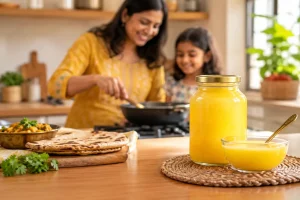

A grocery bill usually grows in the small, unplanned moments: a second packet of snacks, an extra instant meal, or replacing a pantry staple that ran out midweek. Weekly grocery savings become much easier when your kitchen is built around the Indian foods your household already enjoys, with a simple plan for what to buy now, what to keep stocked, and what can wait until next week.
For busy families, saving does not mean cutting out the flavors, brands, or comfort foods that make meals feel familiar. It means buying with purpose. A well-stocked pantry can turn one bag of rice, a few dals, spices, dairy items, frozen breads, and ready-to-eat options into many satisfying meals without last-minute shopping trips.
The most reliable way to spend less is to stop rebuilding your grocery list from scratch every week. Start with a repeatable basket of household basics, then adjust it based on what is still at home. This keeps favorite staples on hand and helps prevent duplicate purchases that sit unopened in the cupboard.
For many Indian households, the repeat basket begins with rice, atta, dals, lentils, cooking oil, spices, tea, coffee, biscuits, dairy, and a few snack or instant-food options. Your exact basket depends on how often you cook at home, the size of your family, and whether lunches need to be packed during the week.
Before ordering or heading to the supermarket, take two minutes to check your rice container, dal jars, spice shelf, freezer, and snack cupboard. The goal is not to buy every item every week. It is to refill what is genuinely running low and use what you already have first.
Weekly refills are the products your household uses quickly, such as dairy, bread, yogurt, snack packs, beverages, or ready-to-eat meals for busy evenings. Pantry stock-ups are longer-lasting items like basmati rice, sona masoori rice, toor dal, urid dal, chana dal, sabudana, flour, spices, and cooking essentials.
Keeping these two types of purchases separate makes your budget easier to manage. When a larger bag of rice or a favorite dal is on a good offer, buying ahead can be sensible if you have room to store it and know it will be used. But stocking up only saves money when it replaces a future purchase, not when it creates clutter or waste.
A practical meal plan does not need to assign a different recipe to every day. Instead, choose a few flexible meal ideas that share ingredients. If you have rice and toor dal, for example, you can plan a comforting dal-and-rice meal, use leftover rice for another dish, and keep paratha or roti in the freezer for a quick alternative on a busy night.
This approach is especially useful when family schedules change. A detailed plan can fall apart after one late workday. A flexible plan gives you options without sending you out for extra ingredients.
Think in meal groups rather than strict recipes. One group might be rice and dal meals. Another could be roti or paratha with a pantry-based dish. A third can cover instant foods, frozen breads, or traditional hot food for evenings when cooking is not realistic. These choices can sit side by side in the same weekly plan because convenience is part of a realistic grocery budget.
Prepared foods may cost more per serving than cooking from pantry staples, but they can still be good value when they prevent an expensive last-minute order or a separate trip to several stores. The best choice depends on your week, not on a rule that every meal has to be cooked from scratch.
The lowest shelf price is not always the best saving. A small packet can look cheaper but cost more per use, while a large pack can be a bargain only if your household finishes it before quality declines or storage becomes inconvenient.
For staples that your family uses every week, larger packs often make sense. Rice, flour, common dals, and trusted spice brands are usually easier to plan around because they are regular parts of home cooking. For a new snack, unfamiliar beverage, specialty ingredient, or a flavor your children may not enjoy, a smaller pack is the safer choice.
There is also value in choosing genuine brands you know your household will use. An item that sits in the pantry because the taste is not right is not a bargain. Familiar Indian brands can help make weekly shopping more predictable, especially for recipes where texture, flavor, and consistency matter.
Before you check out, look at your cart and ask four quick questions:
You do not need to remove every treat. Biscuits, sweets, beverages, and favorite snacks have a place in a family grocery shop. The point is to choose them intentionally, rather than adding several similar items without noticing the total.
A one-stop grocery shop can save more than the price of an item. It can reduce extra driving, rushed top-up trips, and the temptation to buy random items at multiple stores. When you can pick up authentic pantry staples, dairy, frozen breads, beverages, snacks, instant foods, and handmade Indian sweets in one place, your shopping becomes easier to control.
Online ordering can be helpful for this reason. Building a cart from your home gives you time to compare pack sizes, review quantities, and remove duplicates before payment. It is often easier to stick to a list online than when shopping while hungry, tired, or in a hurry.
For households in Calamvale, Pallara, Algester, and nearby Brisbane south suburbs, local delivery can also make weekly replenishment more practical. Use it for the predictable part of your shop: the rice, dals, dairy, frozen breads, and household favorites you know you need. Save in-store browsing for when you want to discover a new product or take advantage of a featured special.
One Stop Supermarket is built for this kind of regular household shopping: authentic Indian essentials, trusted brands, and convenient access to the foods that support everyday cooking.
The best grocery plans allow for real life. Keep a small backup supply of foods that can become a quick meal when work runs late, school activities run over, or nobody has the energy for a long cooking session. This might include frozen roti or paratha, instant foods, ready-to-eat options, a dependable dal, rice, and a few family-approved snacks.
A backup supply is different from overbuying. Choose items your household already likes, rotate them regularly, and replace them only after they are used. That way, convenience stays useful instead of becoming an expensive collection of forgotten packets.
It also helps to set a modest weekly amount for extras. Maybe one sweet treat, one new snack, or a favorite beverage goes into the cart each week. Giving yourself room for enjoyment makes it easier to stay consistent with the rest of your plan.
Weekly grocery savings are rarely created by one dramatic deal. They come from small habits repeated over time: checking the pantry, planning flexible meals, choosing pack sizes carefully, and buying trusted essentials before they become urgent.
Try the repeat-basket method for the next two or three shops. Keep the foods your family reaches for, reduce the duplicates, and leave room for the convenient options that make a busy week run better. A calmer cart, a more useful pantry, and familiar meals at home are savings worth keeping.