
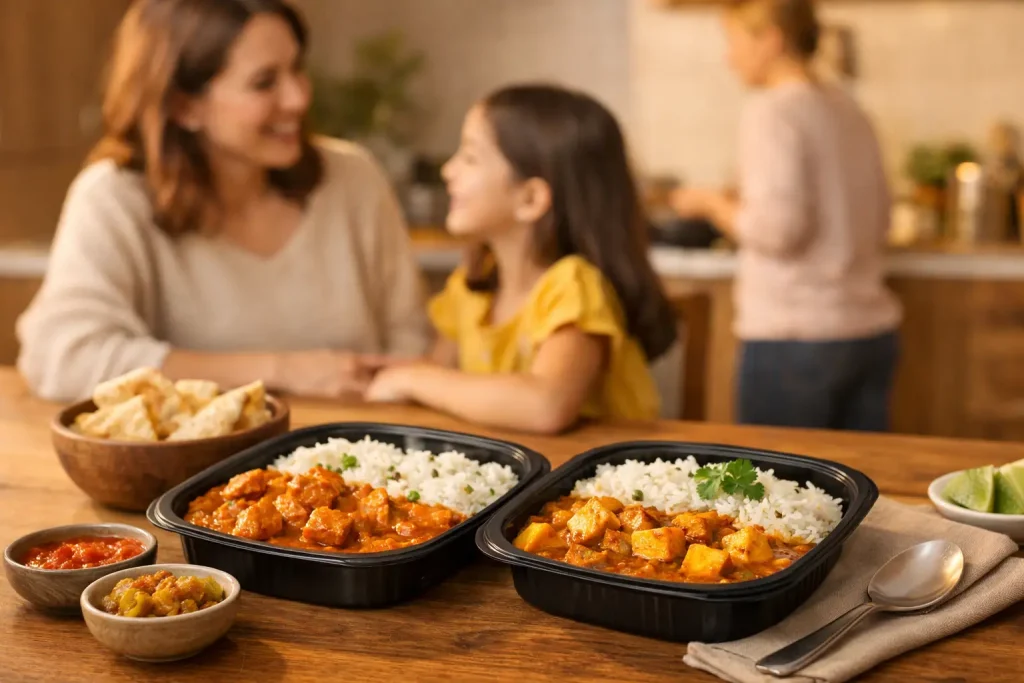
Some nights, cooking from scratch is not happening. You still want real flavor, a proper Indian meal, and something your family will actually finish. That is exactly where a ready to eat curry review becomes useful – not to compare fancy packaging, but to help you pick options that taste familiar, feel worth the money, and make dinner easier.
Ready to eat curry has earned a regular spot in many households for a simple reason. It saves time without forcing you to settle for bland food. For busy parents, students, professionals, and anyone stocking a practical pantry, these packs can be a smart backup for late workdays, quick lunches, travel, or those in-between grocery runs when you need something reliable.
A useful review should start with the basics that matter in a real kitchen. Taste comes first. If the gravy feels one-note, too sweet, too salty, or far from the style you expect, convenience alone will not save it. A good curry should still give you balanced spice, recognizable texture, and a flavor profile that matches the dish on the pack.
Texture matters just as much. Paneer should hold its shape without turning rubbery. Chana should be soft but not mushy. Dal-based curries should feel hearty, not watery. Many ready meals get the sauce mostly right but miss on ingredient texture, and that is often what separates a repeat purchase from a one-time trial.
Then there is portion size. Some packs work well for one person with rice or roti. Others look generous but need a side to feel complete. Value is not only about price. It is about whether one pack can actually handle a meal for one, stretch for two, or serve as part of a larger family dinner.
Most ready to eat curries do best when you judge them for what they are. They are not meant to replace a slow-cooked weekend meal made from scratch. They are meant to give you a fast, satisfying option that still feels close to home-style food. When brands get that balance right, they become pantry staples.
The strongest performers usually have a few things in common. Their gravies taste layered rather than flat. The spice level feels intentional, not just hot for the sake of it. The ingredients are easy to identify, and the curry pairs well with common staples you already have at home, whether that is basmati rice, jeera rice, plain paratha, naan, or even a quick bowl of curd on the side.
Convenience is where ready to eat curry clearly wins. Heating takes only a few minutes, cleanup is minimal, and there is no need to gather ten ingredients after a long day. That said, convenience can vary by format. Retort pouches are usually faster and easier to store than cans, while tray-style meals may be useful for work lunches but sometimes cost more per serving.
Value depends on your household. For a single person, a ready meal can be an affordable dinner compared with takeout. For a family, it often works better as part of the meal rather than the whole meal. One curry with rice, pickle, papad, and a frozen bread on the side can still be a very practical dinner, especially when time is short.
Not every curry translates equally well to ready to eat packaging. Rich gravies and legume-based dishes tend to hold up best because their flavors settle well and often improve after processing.
Paneer makhani, paneer butter masala, and palak paneer are usually safe choices. Their sauces tend to reheat well, and the flavor stays rounded. The only trade-off is paneer texture. Some brands keep it soft, while others make it a little firm. If you care most about texture, this is the category where brand choice matters a lot.
These are often among the most dependable ready to eat options. Chana masala and rajma have naturally hearty texture, and the spices usually develop well in the pack. They are filling, pair easily with rice, and offer solid value for everyday meals.
Dal makhani, dal tadka, and similar lentil dishes can be excellent pantry basics. They are forgiving, comforting, and easy to stretch into a larger meal. If you want something mild, family-friendly, and reliable, this category is often the easiest place to start.
This is the category with the biggest variation. Some mixed vegetable curries taste balanced and satisfying. Others can feel overcooked or uneven, with softer vegetables than you might prefer. They are convenient, but they are also the most brand-sensitive in terms of texture.
A quick ready to eat curry review should always include the practical details shoppers care about. Spice level is a big one. A pack labeled medium may still feel quite mild for one household and too strong for another. If you are buying for the whole family, familiar dishes like dal makhani or paneer butter masala are usually easier crowd-pleasers than sharper, hotter gravies.
You should also check serving size and pairings. A curry that seems small on its own may be perfectly fine when served with rice, roti, or paratha. This is especially useful for weekly shopping because it helps you build complete meal combinations instead of buying single items in isolation.
Brand consistency matters too. Trusted Indian brands usually understand the flavor expectations better, and that shows in spice balance and authenticity. For households that buy regularly, sticking with dependable brands saves time and reduces the guesswork that comes with random trial purchases.
Even a good ready meal can improve with a small finishing touch. This is not about extra work. It is about making the meal feel more complete.
Heating the curry properly makes a difference. Stove heating often gives you better control than a microwave and helps the sauce warm evenly. A small spoon of ghee or butter can round out the flavor in some curries, especially dal or paneer dishes. Fresh chopped cilantro works well if you have it, but it is not necessary.
Pairing matters just as much as the curry itself. Good-quality rice, warm frozen paratha, or ready naan can turn a basic pouch into a satisfying meal. A side of pickle or papad adds contrast and makes the dinner feel less like a shortcut, even though it absolutely is one.
These products make the most sense for households that want flexibility. If you cook often but still need backup meals, they are worth keeping on hand. If you live alone, they can stop you from ordering takeout too often. If your schedule changes from day to day, they help you keep a proper meal within reach.
They also suit shoppers who want authentic Indian flavors without making a separate stop for specialty items. That is where a community-focused Indian grocery store makes a real difference. When you can pick up curry packs, rice, frozen breads, snacks, and pantry staples in one order, meal planning gets easier. For local families shopping with One Stop Supermarket, that kind of convenience is part of the appeal.
The honest answer is that ready to eat curry is about smart compromise. You gain speed, easy storage, and dependable availability. You may give up some freshness of texture and some of the depth that comes from cooking a dish from scratch.
For many households, that trade-off is completely reasonable. The key is choosing the right dishes and buying from trusted brands with familiar flavor profiles. Not every pack will be excellent, but the good ones can absolutely earn a place in your weekly routine.
If you are building a practical pantry, think of ready to eat curry as a support player, not a replacement for everything else. Keep a few reliable favorites on hand, pair them with staples you already use, and dinner becomes much easier when the day runs longer than expected. That kind of convenience is not cutting corners. It is shopping smart for real life.