Fresh Fruits and Vegetables Delivery Facts

Indian Grocery Store Calamvale Offering Fresh Groceries and Spices

Indian cuisine brings together rich aromas, vibrant spices, and traditional recipes that create unforgettable meals. Authentic ingredients play an important role in preparing favorites such as biryani, dosa, butter chicken, curries, and Indian sweets. OneStop Supermarket offers a complete range of fresh vegetables, premium spices, frozen foods, snacks, and daily essentials that suit every Indian kitchen.

Recognized as a trusted Indian Grocery Store Calamvale, OneStop Supermarket provides quality products and convenient shopping access across Brisbane and nearby suburbs. Customers can explore authentic Indian ingredients, pantry staples, and household essentials all in one convenient location.

Why Choose OneStop Supermarket?

Shopping at an Indian grocery store is about more than simply buying food. Customers want freshness, variety, affordability, and products that remind them of home. OneStop Supermarket understands these needs and carefully stocks products from trusted Indian brands.

Here are some reasons customers prefer this store:

  • Fresh Indian vegetables and herbs
  • Authentic spices and masalas
  • Popular Indian snack brands
  • Frozen ready-to-eat meals
  • Affordable grocery prices
  • Friendly customer service
  • Convenient shopping location in Calamvale

OneStop Supermarket stands out as a trusted Indian grocery store near me destination offering fresh ingredients, authentic Indian products, and convenient shopping access in Calamvale.

Fresh Indian Groceries for Everyday Cooking

Fresh produce is one of the biggest attractions at OneStop Supermarket. Fresh Indian cooking vegetables available at the store include:

  • Okra (Lady Finger)
  • Bitter Gourd
  • Curry Leaves
  • Green Chillies
  • Fresh Coriander
  • Eggplant
  • Drumsticks

These ingredients are often difficult to find in regular supermarkets. By providing authentic Indian vegetables, the store helps families maintain their traditional cooking habits while living in Australia.

In addition to fresh produce, the supermarket stocks lentils, rice, flour, oils, pickles, chutneys, and a huge range of Indian spices.

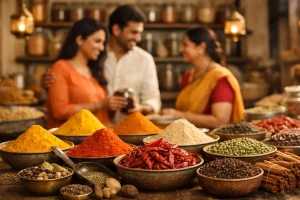
Authentic Indian Spices and Flavors

Indian cuisine is famous worldwide for its rich flavors and aromatic spices. OneStop Supermarket offers a wide collection of masalas and seasonings from trusted brands.

Customers can shop for:

  • Garam Masala
  • Turmeric Powder
  • Cumin Seeds
  • Cardamom
  • Chilli Powder
  • Biryani Masala
  • Chaat Masala

Authentic spices remain an essential part of every Indian kitchen, and Indian Grocery Near me options such as OneStop Supermarket provide access to premium-quality masalas, herbs, and seasonings. Fresh spices enhance aroma, improve taste, and help create rich restaurant-style flavors at home.

Serving Brisbane’s Indian Community

The Indian community in Brisbane continues to grow, increasing demand for authentic grocery options. OneStop Supermarket proudly supports local families by providing traditional products at competitive prices.

Many customers looking for an Indian groceries shop Brisbane appreciate the store’s clean layout, helpful staff, and wide product selection. From South Indian essentials to North Indian favorites, shoppers can find products suited to every regional taste.

OneStop Supermarket supports busy households through convenient and efficient shopping options. An Indian grocery store online provides easy access to essential groceries, spices, snacks, and pantry items without unnecessary delays. Modern grocery shopping now focuses on speed, convenience, and accessibility alongside product quality.

A Trusted Indian Grocery Store in Australia

Finding reliable Indian groceries stores near me can sometimes be challenging, especially for people new to Australia. OneStop Supermarket has built trust within the local community by consistently offering quality products and excellent customer support.

As demand grows for authentic international foods, stores like OneStop Supermarket continue to play an important role in helping families stay connected to their culture and traditions through food.

OneStop Supermarket continues to build a strong reputation as a trusted Indian groceries store Australia destination, offering authentic products, fresh ingredients, and convenient grocery access in Calamvale.

Conclusion

If you are looking for a trusted Indian Grocery Store Calamvale, OneStop Supermarket offers everything needed for authentic Indian cooking. From fresh vegetables and spices to snacks and frozen foods, the store provides a complete shopping experience for Indian families and food lovers across Brisbane.

Whether you are preparing a festive meal, weekly groceries, or simply craving traditional flavors, OneStop Supermarket makes it easier to enjoy the taste of India right here in Australia.

Frequently Asked Question:

1. Which is the best Indian Grocery Store Calamvale?

OneStop Supermarket is a trusted Indian Grocery Store Calamvale offering fresh groceries, spices, snacks, frozen foods, and Indian essentials.

2. Where can I find an Indian grocery store near me?

OneStop Supermarket is a popular choice for customers searching for an Indian grocery store near me in Brisbane.

3. Does OneStop Supermarket offer Indian grocery store online services?

Yes, OneStop Supermarket offers convenient indian grocery store online shopping for fresh Indian groceries, pantry essentials, spices, snacks, and everyday household products.

4. Why choose OneStop Supermarket Indian Grocery Store Calamvale?

OneStop Supermarket offers fresh products, authentic Indian brands, affordable prices, and friendly customer service.

Indian Grocery Delivery Trends That Matter

At 6:30 p.m., when dinner is already on the stove and the toor dal jar is nearly empty, shopping stops being a weekend errand and becomes a same-day need. That is exactly why indian grocery delivery trends matter to busy households. Customers are not just looking for speed. They want the right brands, dependable stock, fair pricing, and the comfort of knowing their regular items will arrive without the guesswork.

For Indian and South Asian families, grocery shopping is rarely about one or two items. It is a repeat household routine built around rice, dals, spices, frozen breads, snacks, dairy, sweets, and ready-to-eat options that keep the week moving. Delivery has changed how those routines happen, but it has not changed what shoppers value most. Authenticity still comes first. Convenience simply needs to support it.

What indian grocery delivery trends show right now

The biggest shift is not that people prefer online ordering. It is that they now expect online ordering to feel as reliable as shopping in person. That means customers want familiar brands, clear product availability, and enough variety to complete a real household shop instead of placing three smaller orders from different stores.

This is especially true in Indian grocery. A shopper may need sona masoori rice, urid dal, sabudana, frozen paratha, biscuits for the kids, instant noodles, yogurt, and sweets for guests. If even two of those items are missing, the order feels incomplete. That is why broader assortment has become one of the most important delivery expectations. Convenience only works when the basket makes sense.

Another strong trend is planned replenishment. Many shoppers are no longer browsing aimlessly online. They are reordering known staples. They know which atta they use, which tea brand they prefer, and which snack packs disappear fastest at home. Delivery platforms that support quick repeat purchases are matching the way families actually shop.

Convenience is winning, but not at any cost

There is a clear move toward faster and easier ordering, especially for weekly top-ups. But speed alone does not build loyalty. Shoppers will wait a little longer if they trust the products, recognize the brands, and feel confident about quality.

That is an important trade-off in this category. A general grocery app may be fast, but if the Indian assortment is limited or inconsistent, it cannot replace a trusted neighborhood store. On the other hand, a local Indian supermarket with delivery can be more valuable because it understands the pantry, the brands, and the regular buying habits of the community.

This is where local service has an advantage. It often delivers a better balance of convenience and confidence. Customers are not only saving time. They are avoiding the frustration of substitute products that do not match what they actually cook with at home.

Bigger baskets and smarter repeat orders

One of the most useful trends for both shoppers and retailers is the rise of larger, more intentional baskets. Instead of ordering only when something runs out, many households now combine pantry refills with easy meal support. A single order might include rice, lentils, spice mixes, frozen roti, ready-to-eat curries, dairy items, bakery basics, and beverages.

This matters because it reflects how Indian grocery delivery fits into real life. It is not just emergency shopping. It is routine family shopping with fewer store visits.

There is also more interest in products that reduce effort during the week. Instant foods, ready-to-eat snacks, frozen breads, and hot food options are becoming more important in online orders because they solve practical problems. Working parents, students, and multi-generational households all value pantry staples, but they also value time. A good delivery order now supports both scratch cooking and quick meals.

Authentic brands are still the main deciding factor

The strongest online trend in ethnic grocery is simple: shoppers still buy with their memory, habits, and taste preferences. They search for the brands they grew up with, the ingredients their family recipes depend on, and the snacks they already know will be eaten.

That is why authentic brands continue to drive conversion more than novelty. Customers may try something new now and then, but when they place a real weekly order, they tend to choose what they trust. For Indian grocery delivery, this means stores need strong availability across core categories, not just a few popular items.

It also means that product range has to reflect cultural reality. Stocking one type of rice is not enough. Different homes buy different grains, flours, lentils, and spice blends for a reason. The better a store understands that, the more useful its delivery service becomes.

Value matters more than flashy convenience

Household grocery shopping is price sensitive, especially when the same staples are purchased week after week. Customers want convenience, but they are still doing the math. If a delivery order feels too expensive compared with in-store shopping, people will limit it to occasional use.

That is why value-driven indian grocery delivery trends are so important. Shoppers respond well to clear everyday pricing, family pack sizes, combo-friendly baskets, and specials on top-selling staples. Savings do not need to be dramatic to matter. Even small differences on repeat purchases add up over a month.

For retailers, this creates a practical challenge. Delivery adds labor and operating costs, yet customers still expect fair pricing. The stores that handle this best usually focus on dependable value rather than gimmicks. They make it easy to complete a household shop at sensible prices, and that builds repeat business.

Local delivery is becoming more trusted than broad marketplace apps

Many customers are getting more selective about where they place online orders. Broad apps can be useful, but local ethnic supermarkets often provide a better experience for culturally specific shopping. The reason is straightforward. They know what a real Indian grocery basket looks like.

A local store is more likely to understand why one customer wants a particular brand of basmati rice while another wants sona masoori, or why frozen roti and paratha are regular staples rather than occasional extras. That familiarity improves both stock planning and customer confidence.

In neighborhoods around South Brisbane, this kind of trust matters. Families often prefer ordering from a store that feels connected to their everyday cooking habits rather than from a platform built for generic convenience. One Stop Supermarket fits that local model by pairing in-store shopping with neighborhood delivery for customers who want authentic Indian essentials without making multiple stops.

Digital shopping is changing discovery too

Not every trend is about speed or repeat ordering. Online grocery is also changing how customers discover products. When shoppers browse by category, they often notice items they would not have searched for directly – a new biscuit brand, a ready-to-eat option for busy weekdays, a sweet for a family visit, or an instant mix that saves time.

This can increase basket size, but only when the site experience is clear and practical. If categories are confusing or product names are too vague, shoppers leave. If products are easy to find and easy to recognize, customers are more likely to add a few extras.

That creates an interesting balance. The best online Indian grocery experience should feel efficient enough for routine reorders but open enough for useful discovery. Too much clutter slows people down. Too little range makes the store feel incomplete.

What shoppers should expect next

The next stage of growth will likely be less about dramatic innovation and more about consistency. Better stock accuracy, faster reordering, stronger pantry bundles, and clearer category organization will matter more than flashy promises. Most households do not need grocery delivery to feel futuristic. They need it to work well every week.

There is also likely to be more demand for flexible shopping behavior. Some customers will continue doing a full weekly delivery. Others will order pantry staples online and stop in-store for a few extras. That hybrid pattern suits Indian grocery especially well because shopping habits are personal. Some families plan carefully. Others buy according to what the week looks like.

Retailers that serve both habits well are in a strong position. They can support the customer who wants a fast reorder of essentials and the customer who wants to browse familiar shelves in person before picking up a few ready-to-eat items.

For shoppers, the real takeaway is simple. The best delivery experience is not the one with the biggest promise. It is the one that brings the right Indian groceries, at fair prices, from a store that understands what belongs in your kitchen. When that happens, delivery stops feeling like a backup plan and starts feeling like the easiest way to keep the household running.

How to Choose an Authentic Indian Spices Shop

You can tell a lot about an Indian grocery store by its spice aisle. If the turmeric looks faded, the cumin has no aroma, or the masala options feel random, your weekly cooking gets harder than it needs to be. A dependable authentic indian spices shop should make everyday meals easier, not leave you guessing whether your dal tadka, biryani, or chai will taste the way it should.

For many households, spices are not occasional purchases. They are part of the weekly routine, just like rice, lentils, dairy, snacks, and frozen breads. That is why choosing the right store matters. It is not only about finding a packet labeled garam masala. It is about finding the brands you trust, the freshness you can smell, the pack sizes that suit your home, and the convenience of getting everything in one place.

What makes an authentic indian spices shop worth visiting

Authenticity starts with familiarity. When shoppers walk into a good Indian supermarket, they should recognize the brands they grew up with or have come to rely on in their kitchen. The real test is whether the shop carries the staples people actually use at home – turmeric, red chili powder, coriander powder, cumin seeds, mustard seeds, fennel, fenugreek, ajwain, hing, black pepper, cardamom, cloves, and regional spice blends that match real cooking needs.

A strong spice selection also reflects how Indian families cook. Some homes want whole spices for roasting and grinding. Others need ready masalas that save time on busy weeknights. Some shoppers buy small packs to keep things fresh, while larger families prefer value sizes for regular use. A good store understands all of that and stocks accordingly.

There is also a difference between a store that sells Indian spices and one that truly supports Indian cooking. The better shop connects spices to the rest of the pantry. If you are buying chana masala, you should also be able to pick up chickpeas, basmati rice, ghee, snacks for the family, and frozen roti for a quick dinner backup. That one-stop convenience matters more than people admit.

Freshness matters more than a long shelf of options

A crowded shelf can look impressive, but freshness is what affects the food on your table. Spices lose their strength over time, especially ground spices. If you have ever added extra chili powder or cumin because the flavor seemed weak, chances are the product was old, poorly stored, or simply not moving fast enough.

A reliable authentic indian spices shop pays attention to turnover. Popular items should be replenished often, and packaging should look clean, sealed, and current. Whole spices should still have a strong natural scent. Ground spices should show rich color rather than a dull, dusty look. This is where a trusted neighborhood supermarket often does better than a general grocery chain. When the customer base cooks with these ingredients regularly, stock moves, and the products stay fresher.

Freshness is also practical value. A slightly cheaper spice that has lost its aroma is not really a bargain. You end up using more of it, and the dish still falls short. Spending wisely means buying spices that do their job the first time.

Why trusted brands still matter

Not every shopper is looking for the exact same brand, but most experienced home cooks know what works for them. Some prefer one brand for chili powder and another for cumin seeds. Some swear by a specific chai masala or biryani mix because it gives a consistent result every time. That consistency is a big part of why shoppers come back to the same store.

Trusted brands matter because they reduce risk in everyday cooking. When you are feeding family, hosting guests, or making food tied to memory and tradition, you do not want to experiment with low-quality substitutes unless you choose to. You want your sambar to taste like sambar, your rajma to taste right, and your masala chai to have the familiar balance you expect.

That said, a good store also serves shoppers who are still learning. Clear packaging, recognizable categories, and staff who understand common cooking needs can make a big difference. Not everyone knows the difference between cumin powder and coriander powder at a glance. Not everyone knows which spice blend works best for pav bhaji versus chole. The right supermarket helps both confident cooks and busy beginners shop without stress.

Price matters, but so does buying the right size

For regular grocery shopping, price is always part of the decision. Families want genuine products at a fair everyday price, especially when spices are only one part of a larger weekly basket. Rice, dals, dairy, snacks, frozen foods, biscuits, ready-to-eat meals, and beverages all add up. A good spice shop within a full Indian supermarket setup gives customers better value because they can complete the whole shop in one trip or one order.

Pack size is part of that value. If you cook every day, buying larger packs of staple spices may save money. If you use certain spices only once in a while, smaller packs can be the smarter choice because they stay fresher and reduce waste. There is no one right answer. It depends on how often you cook, how many people you feed, and whether you prefer whole spices or pre-ground blends.

This is where broad assortment helps. A practical shop should let you buy according to your routine, not force you into one option.

The best authentic indian spices shop supports real weekly shopping

People rarely shop for spices alone. A family planning dinners for the week may need sona masoori rice, toor dal, urad dal, sabudana, pickles, papad, ghee, paneer, instant foods, frozen paratha, sweets, or hot ready-to-eat items along with their masalas. That is why the best authentic indian spices shop is often part of a larger grocery experience, not a narrow specialty shelf with limited essentials.

This matters even more for busy households. When work is full-on and kids need dinner on time, convenience is not a luxury. It is part of what makes a store useful. Being able to order pantry staples and spice refills online, then have them delivered locally or ready for pickup, can save a lot of time over the month.

For shoppers in and around Brisbane south, this kind of convenience has real everyday value. Instead of driving across multiple stores to piece together one meal plan, families can shop closer to home and still find the Indian brands and staples they trust.

What to look for before you buy

A quick visual check tells you a lot. Start with the basics. Are the essential spices and masalas easy to find? Are there both whole and ground options? Are the brands familiar and consistent? Do the shelves look maintained, not neglected?

Then think beyond the spice rack. Does the store carry the ingredients that go with the spices you are buying? If you are shopping for chole masala, can you also get quality chickpeas and basmati rice? If you need spices for tea, are there biscuits, milk products, and other pantry extras nearby? A store built around real household shopping will make those combinations easy.

It also helps to notice whether the shop feels tuned to community needs. Seasonal items, fasting ingredients, festival sweets, everyday staples, and quick meal solutions all suggest the business understands how customers actually shop. One Stop Supermarket stands out in this way because it combines authentic Indian grocery essentials with practical local convenience, making it easier for families to stock up without overcomplicating the trip.

Online convenience should not mean less authenticity

Some shoppers still worry that ordering groceries online means settling for whatever gets picked. That concern is understandable, especially with spices, where freshness and brand preference matter. But a good local Indian supermarket can make online ordering feel just as dependable as shopping in person when the product range is strong and the inventory reflects what customers buy regularly.

The advantage of online ordering is simple. You can refill staples when you notice them running low, not only when you have time for a full store visit. That is especially useful for busy households that go through turmeric, chili powder, cumin, tea, lentils, and snacks faster than expected.

The key is choosing a store you already trust. If the in-store range is reliable, the online experience usually follows that same standard.

A good spice shop makes home cooking easier

At its best, an authentic Indian spices shop does more than sell packets on a shelf. It helps families keep familiar meals within reach. It supports both scratch cooking and quick weekday shortcuts. It gives experienced cooks the brands they know and gives busy shoppers an easier way to get dinner started.

The right shop feels dependable week after week. You know the spices will have flavor, the brands will be genuine, the prices will make sense, and the rest of your grocery list can be handled in the same order. That kind of reliability is what turns a one-time visit into a regular habit.

If your meals matter to your household, your spice shop matters too. Choose one that respects the way you really cook, the way you really shop, and the time you do not want to waste.

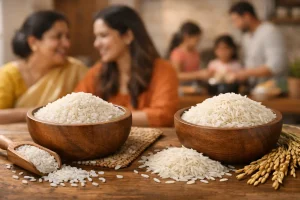
Sona Masoori vs Basmati Rice: Which to Buy?

Standing in the rice aisle and choosing between sona masoori vs basmati rice can feel simple until you think about the meal you are actually cooking. A pot of everyday dal rice, a weekend biryani, lemon rice for lunch boxes, or a light side for curry all ask for something different. That is why the better question is not which rice is best overall, but which one fits your kitchen, your budget, and the food your family eats most often.

At a practical level, both are trusted staples in Indian homes, but they behave very differently once washed, soaked, and cooked. One is soft, light, and easy for daily meals. The other is aromatic, long-grained, and better known for dishes where the rice itself needs to stand out. If you shop for rice regularly, knowing that difference helps you buy with confidence instead of guessing based on the bag.

Sona masoori vs basmati rice at a glance

Sona masoori is a medium-grain rice that is popular for everyday South Indian and general household cooking. It is known for being lighter than many heavier rice varieties, and it cooks into grains that are soft without turning overly sticky when handled well. For many families, it is the rice that suits regular lunches and dinners because it feels comfortable, familiar, and versatile.

Basmati rice is a long-grain variety famous for its aroma and elongated shape after cooking. It tends to look more elegant on the plate, and the texture is usually drier and more separate than sona masoori. That makes it a strong choice for biryani, pulao, and meals where presentation and fragrance matter as much as taste.

If you want the shortest answer, sona masoori usually fits daily comfort meals, while basmati often suits special dishes and rice-forward recipes.

Grain, texture, and cooking feel

The biggest difference most home cooks notice is texture. Sona masoori cooks softer and feels more delicate in the mouth. It pairs naturally with sambar, rasam, curd, pappu, and simple curry meals because it absorbs flavor well and is easy to eat. If your household likes rice that blends into the meal instead of dominating it, sona masoori often makes more sense.

Basmati holds its shape more clearly. The grains stay long and distinct, especially if soaked and cooked carefully. That texture is useful when you want rice that stays fluffy and separate on the plate. It also works well for layered dishes where broken or clumped rice would spoil the result.

This does not mean one is better cooked than the other. It just means they are trying to do different jobs. If you serve rajma rice or dal rice and want a softer, comforting base, sona masoori is often the easier fit. If you are making jeera rice for guests or a fragrant pulao, basmati usually gives a more polished finish.

Aroma and flavor

Basmati is the more aromatic rice. Even before cooking, it has a distinctive fragrance, and that aroma becomes part of the dish. In biryani and pulao, that quality is a major advantage. The rice adds its own character instead of simply carrying spices and gravies.

Sona masoori has a milder flavor and less perfume. For many everyday meals, that is exactly the point. It does not compete with the dal, chutney, pickle, or curry on the table. It supports the meal quietly, which is often what you want when the rest of the food already brings plenty of flavor.

So if your recipe depends on the rice making a statement, basmati has the edge. If you want the rice to stay in the background and let the rest of the meal lead, sona masoori can be the smarter buy.

Best uses in the kitchen

When customers ask which bag to add to cart, the answer often comes down to what they cook every week.

Sona masoori is well suited to plain steamed rice, tomato rice, lemon rice, curd rice, pongal-style meals, and regular lunch or dinner combinations with dal and curry. It is also popular in homes where rice is made often and eaten in larger quantities across the week. Because it feels lighter and more familiar for daily use, many families keep it as their main household rice.

Basmati is the better match for biryani, pulao, jeera rice, fried rice, and festive meals where appearance matters. The long grains create a more restaurant-style result, and the aroma helps lift simpler rice dishes too. If your family enjoys rice dishes where the grains need to remain separate, basmati is usually the safer choice.

There is still some overlap. Some people use basmati every day because they enjoy the texture. Others make certain pulaos with sona masoori because they prefer a softer bite. It depends on personal taste, not just tradition.

Sona masoori vs basmati rice for daily value

For routine household shopping, price matters just as much as texture. Sona masoori is often chosen as an everyday staple because it can offer dependable value for families cooking rice frequently. If you are making large pots several times a week, the cost difference adds up over time.

Basmati is often seen as a premium option, especially aged or branded varieties. Many shoppers are happy to pay more when making biryani or serving guests because the fragrance and long grains justify it. But if your main goal is a reliable rice for daily meals, sona masoori may be the more practical purchase.

This is where shopping at a trusted Indian grocery store helps. Quality can vary across brands and price points, so it is worth choosing rice from reliable names rather than buying only on the lowest price. A cheaper bag that cooks unevenly is not really a bargain.

Nutrition and digestion

From a general nutrition point of view, both are white rice varieties and both mainly provide carbohydrates. The exact nutrition depends on the brand, processing, and serving size, so the difference is not as dramatic as people sometimes expect. Neither should be treated like a miracle food over the other.

That said, many households feel sona masoori is lighter for regular meals, while others prefer basmati because of its texture and portion control. Since basmati grains stay longer and separate, some people feel satisfied with a slightly smaller serving. On the other hand, sona masoori can feel easier and more natural for daily eating, especially with traditional home food.

If you are shopping based on health goals alone, the better choice often depends on how much rice you eat, what you pair it with, and your household preferences. The rice variety matters, but your full meal matters more.

How to choose the right bag

If you are still deciding, think less about labels and more about your weekly menu. If your home runs on dal rice, curd rice, rasam rice, and simple comfort food, sona masoori usually gives better everyday value. If your meals often include biryani, pulao, or rice dishes where aroma and grain length matter, basmati will likely make you happier.

It can also make sense to keep both. Many Indian households do exactly that – one rice for daily use and one for guests, weekends, or specific recipes. That approach avoids compromise and helps you get the best result from each dish.

Storage matters too. Buy a pack size that matches how quickly your household uses rice. A good-quality rice kept sealed and dry will stay in better condition and cook more consistently.

A simple answer for busy shoppers

If you want one straightforward rule, choose sona masoori for comfort and daily cooking, and choose basmati for aroma and presentation. That covers most situations without overthinking it.

For shoppers who want authentic Indian pantry staples without making extra stops, stores like One Stop Supermarket make it easier to compare trusted rice varieties, pick the right pack size, and stock up for the week in one go. When your pantry works for the meals you actually cook, everyday shopping gets a lot simpler.

The best rice is the one that suits your table, your routine, and the dishes your family asks for again and again.

Indian Grocery Store in South Brisbane

You notice it most when dinner plans are already in motion. The dal is on your mind, the rice tin is low, and the masala you need is either missing or down to the last spoonful. That is when a reliable indian grocery store in south brisbane stops being a nice extra and starts feeling like part of the weekly routine. For households that cook Indian food regularly, convenience matters, but so does getting the right brands, the right ingredients, and the kind of selection that makes home cooking feel easy instead of pieced together.

A good neighborhood Indian supermarket is not only about shelves full of products. It is about trust. When you shop for sona masoori rice, toor dal, urad dal, poha, sabudana, frozen roti, paratha, biscuits, namkeen, dairy, or ready-to-eat meals, you want to know the basics are there every week. You also want pricing that makes sense for household shopping, not just one-off specialty purchases.

What makes an Indian grocery store in South Brisbane worth visiting

Not every store serves the same kind of shopper. Some places are better for one or two specialty items, while others are built for the full weekly basket. If you are shopping for a family, that difference matters.

The best indian grocery store in south brisbane usually gets three things right. First, it keeps the pantry essentials in stock. Rice, lentils, flours, spices, oils, instant foods, and snack staples should not feel hard to find. Second, it carries genuine Indian brands people already know and trust from home. Third, it saves time by bringing multiple categories together in one place, so you are not driving around for frozen breads, sweets, dairy, and hot food on the same day.

That one-stop approach is especially useful for busy households. Some shoppers enjoy browsing several stores. Most do not, at least not every week. When the goal is to replenish the kitchen quickly and get back home, a broader product range is often more valuable than a highly curated but limited shelf.

The products shoppers usually need most

For many families, grocery shopping starts with staples and then expands into convenience items. A strong Indian supermarket should support both.

Rice is one of the first categories people check because it says a lot about the store. If the rice section includes familiar household options rather than only a few random bags, that is a good sign. The same goes for dals and lentils. Regular cooks often know exactly what they want, whether that is toor dal for everyday meals, urad dal for dosa or idli batter, or chana dal for snacks and savory dishes. A store that understands repeat shopping patterns makes these basics easy to find.

Spices are another clear marker. You want a store that carries both the everyday essentials and the blends that save time on busy nights. Whole spices, ground spices, masalas, and cooking pastes all have their place. Some home cooks prefer building flavor from scratch. Others want speed without giving up familiar taste. A practical store serves both kinds of shoppers.

Then there are the categories that make the week easier. Instant foods, ready-to-eat meals, frozen roti, paratha, frozen vegetables, biscuits, beverages, and traditional snacks matter because real life is busy. There is no conflict between cooking from scratch and keeping backup options at home. Most families do both. A good Indian supermarket understands that convenience is not a compromise. It is part of everyday household planning.

Why authenticity matters more than variety alone

A large selection sounds appealing, but variety by itself is not enough. Authenticity matters more because shoppers are not only buying ingredients. They are buying familiarity.

When a store stocks genuine Indian brands and traditional pantry staples consistently, it removes guesswork. You do not have to stand in the aisle wondering whether a substitute will work the same way in your recipe. That matters for experienced cooks, but it also matters for newer shoppers who are learning family recipes and trying to recreate meals they grew up with.

There is also a practical side to authenticity. Trusted brands often mean more predictable cooking results. The texture of rice, the flavor of spices, and the quality of lentils can affect everyday meals more than people realize. If you cook these foods often, consistency saves time, reduces waste, and makes meal planning easier.

In-store shopping or online ordering?

For some shoppers, walking the aisles is still the best option. You can compare pack sizes, check what is back in stock, and pick up a few extras that were not on your list. There is also comfort in seeing a familiar range of products in one place, especially if you are planning several meals for the week.

At the same time, online ordering has become part of how many households manage grocery runs. If you already know your regular items, ordering online can be the faster choice. It is especially useful for repeat pantry purchases, snacks for the kids, frozen breads, or top-up orders in the middle of the week.

The right option depends on the day. Sometimes you want to browse. Sometimes you just want to reorder the essentials, add to cart, and move on. A store that supports both gives shoppers more control over how they buy.

How local delivery changes routine grocery shopping

Local delivery is one of those services that sounds simple until you rely on it regularly. Then it becomes hard to imagine shopping without it. For households around South Brisbane and nearby suburbs, delivery can turn a time-consuming trip into a much easier weekly habit.

This is especially helpful when your order includes heavier pantry staples such as rice, flour, oil, and bulk lentils. It also helps when schedules are packed with work, school pickup, and family commitments. You still get the foods your household actually uses, but without giving up time to travel, park, shop, and carry everything home.

That said, delivery works best when the store has dependable stock and a practical ordering process. Speed matters, but reliability matters more. Most shoppers would rather have accurate, consistent service than flashy promises that do not hold up week after week.

What to look for before choosing your regular store

If you are deciding where to shop, think beyond a single visit. The better question is whether the store can support your routine over time.

Look at range first. Can you buy staples, dairy, frozen items, snacks, sweets, beverages, and quick meal options in one order? Then look at quality and freshness in the categories that matter most to your household. After that, pricing becomes important. Competitive everyday pricing often beats occasional specials because grocery shopping is recurring, not once in a while.

Service also counts. A community-focused store feels easier to return to because it is set up around real household needs, not just impulse buys. That might mean practical pack sizes, familiar brands, or dependable neighborhood delivery. It is not complicated, but it does make a difference.

One Stop Supermarket fits that model well for shoppers who want authentic Indian groceries, trusted brands, and the convenience of both in-store and online ordering without turning a simple grocery run into a long errand.

A better way to shop for Indian groceries each week

When you find a dependable indian grocery store in south brisbane, shopping gets simpler in a very practical way. You stop improvising meals because the right ingredients are hard to find. You spend less time searching, less time making extra trips, and more time cooking food that actually tastes like home.

That is really what most shoppers want. Not a complicated experience, not a boutique concept, just a reliable local supermarket with authentic products, solid value, and enough range to cover the week. When a store can offer pantry staples, frozen breads, snacks, sweets, ready meals, dairy, and household favorites in one place, it earns a spot in the regular routine.

If your current shopping setup feels scattered, the smarter move is to choose a store that makes weekly replenishment easier, more familiar, and more dependable every time you shop.

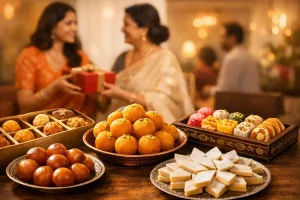
12 Best Indian Sweets for Gifting

Some gift boxes look good for five minutes and get forgotten by the next day. A well-chosen mithai box does the opposite. If you are looking for the best Indian sweets for gifting, the right choice feels personal, festive, and easy to share with family, friends, neighbors, or coworkers.

The trick is not picking the most expensive sweet. It is picking something that suits the moment, travels well enough, and matches the taste of the person receiving it. Some sweets feel ideal for formal gifting, some are better for close family, and some work best when you need a crowd-pleaser that everybody reaches for.

How to choose the best Indian sweets for gifting

A good gift sweet should do three jobs at once. It should look appealing when the box opens, taste familiar and satisfying, and stay fresh long enough to be enjoyed properly. That is why gifting mithai is less about chasing novelty and more about choosing trusted favorites made with quality ingredients.

For festivals like Diwali, Raksha Bandhan, Holi, and Eid gatherings, richer sweets usually feel right because they carry that celebratory touch. For house visits, thank-you gifts, and family events, lighter or mixed selections often make more sense because they suit different ages and preferences. If you are buying for an office or a larger group, neat bite-sized sweets are usually the safer option since they are easy to portion and share.

Freshness matters just as much as variety. A smaller box of fresh, well-made sweets usually leaves a better impression than an oversized box filled with items no one finishes. That practical approach matters for everyday shoppers who want value, but still want the gift to feel generous.

12 best Indian sweets for gifting

1. Kaju katli

Kaju katli is one of the safest and most popular gifting choices for a reason. It looks elegant, has a smooth texture, and appeals to people across age groups. It is also easy to serve because the pieces are neat and not overly messy.

This is a strong option when you want something polished for festivals, corporate gifting, or visiting family friends. The only trade-off is that it is a common choice, so it may not feel unique. Still, when quality is good, it rarely disappoints.

2. Motichoor ladoo

Motichoor ladoo brings instant celebration to the table. The bright color, soft texture, and rich flavor make it feel festive in a way few sweets do. It is a favorite for religious occasions, family functions, and happy milestones.

For gifting, motichoor ladoo works best when you know the recipient enjoys traditional sweets. It can be a little richer than some other options, so it suits festive boxes more than light everyday gifting.

3. Soan papdi

Soan papdi is a practical gift sweet that still feels festive. Its flaky texture makes it distinct, and it is especially useful when you need something easy to carry and share. Many people buy it for larger gatherings because it offers good value and familiar taste.

Not everyone loves the crumbly texture, so this one depends on personal preference. But for office gifting, neighborhood exchanges, and festival handouts, it remains a dependable choice.

4. Milk cake

Milk cake has a richer, more homemade feel than many packaged sweets. Its slightly grainy texture and caramelized flavor make it a favorite for people who enjoy traditional milk-based mithai.

This is a good pick for family gifting and house visits. It feels warm and classic rather than flashy. Because it is more indulgent, it works better in moderate quantities than in very large boxes.

5. Rasgulla

Rasgulla is a strong choice when the recipient prefers softer, syrup-based sweets over dry mithai. It feels generous and celebratory, and it is often appreciated by families who enjoy Bengali-style sweets.

The main consideration here is convenience. Since it is packed in syrup, it is not always the easiest option for quick carrying or workplace sharing. It is better for direct gifting to homes rather than casual hand-to-hand exchange.

6. Gulab jamun

Gulab jamun is one of the most widely loved Indian sweets, and that broad appeal makes it excellent for gifting. Soft, rich, and familiar, it suits festivals, dinner invitations, and family celebrations.

Like rasgulla, it is syrup-based, so packaging matters. If you want something that feels comforting and traditional, though, it is hard to go wrong with gulab jamun.

7. Besan ladoo

Besan ladoo has a simple, comforting quality that many people associate with home-style sweets. It may not be the flashiest gift in the display, but it often wins on taste and familiarity.

This is a great option for close family, elders, and anyone who likes classic Indian sweets without too much syrup or decoration. It also tends to be easier to portion, which makes it practical for small gift boxes.

8. Barfi assortments

A mixed barfi box is one of the smartest answers when you are unsure what to buy. Different flavors and textures in one pack make the gift feel generous, and it increases the chance that everyone in the household finds something they like.

This is especially useful for family gifting or festive visits where several people will share the box. The key is choosing an assortment with balanced variety, not just random fillers.

9. Peda

Peda is a compact, rich sweet that works well for religious occasions, family visits, and gifting to elders. It has a soft bite and a traditional flavor profile that feels familiar and comforting.

Because peda is rich, it is often best in smaller boxes or mixed selections. It may not grab attention the way brighter sweets do, but it is a very reliable gifting choice.

10. Mysore pak

Mysore pak is ideal for recipients who enjoy a richer, ghee-forward sweet. It has a distinct texture and a strong traditional identity, which makes it feel special rather than generic.

This sweet is a better fit when you know the recipient already likes it. For mixed groups, it can be a little divisive because some prefer lighter sweets. For the right person, though, it feels thoughtful and memorable.

11. Dry fruit ladoo

Dry fruit ladoo is a smart modern gifting option for people who want something festive but a little less sugary than classic syrup sweets. It still feels substantial and celebratory, while appealing to shoppers who prefer ingredient-focused choices.

This works well for health-conscious family members, professionals, and gifting where you want a premium feel without being overly formal. It is one of the more versatile choices today.

12. Mixed mithai boxes

If you want the best Indian sweets for gifting without overthinking every individual preference, a mixed mithai box is often the most practical answer. It gives variety, looks abundant, and suits festivals, housewarming visits, family get-togethers, and office sharing.

The real benefit is flexibility. A mixed box can include dry sweets, richer milk sweets, and a few widely loved classics. For busy shoppers, that makes gift buying quicker and more dependable.

What makes a gift box feel worth giving

People notice quality quickly. Clean presentation, fresh taste, and a sensible mix matter more than oversized packaging. A box should feel like something you would be happy to serve in your own home.

That is why trusted stores matter. When sweets are made well and handled properly, gifting becomes simple. You do not need a complicated message attached to it. The mithai itself does the talking.

If you are shopping for a festival or family visit, it also helps to think about who will open the box. A home with kids may enjoy colorful, soft sweets. Older family members may prefer traditional milk sweets or ladoos. For mixed households, variety usually wins.

When dry sweets are better than syrup sweets

Dry sweets are usually easier to gift when convenience matters. They are simpler to pack, carry, and share, especially if you are visiting more than one home or taking sweets to work. Kaju katli, soan papdi, besan ladoo, and dry fruit ladoo all fit this need well.

Syrup sweets feel more indulgent and festive, but they are less convenient for quick exchange. Gulab jamun and rasgulla are great when you are giving directly to a household that can serve and enjoy them right away. So the better option depends on where the gift is going and how it will be shared.

A practical way to pick the right mithai

If you want a simple approach, choose kaju katli or a mixed mithai box for formal gifting, motichoor ladoo or gulab jamun for festive family occasions, and dry fruit ladoo or soan papdi for easy sharing. That covers most gifting situations without making the choice complicated.

At One Stop Supermarket, many shoppers look for the same thing they want from the rest of their grocery run – authentic taste, trusted quality, and good value in one place. That is exactly what makes mithai gifting easier too.

The best sweet gift is the one that feels generous, familiar, and ready to share the moment it arrives.