If you have ever stood in the dal aisle wondering what is toor dal used for, the short answer is simple – it is one of the most reliable pantry staples for everyday Indian cooking. It cooks into a soft, creamy texture, has a mild earthy taste, and works in everything from simple weekday dal to sambar, khichdi, and comforting one-pot meals.
For many households, toor dal is not a specialty ingredient you buy once and forget. It is a repeat purchase, the kind of staple that makes regular meal planning easier because it pairs well with rice, roti, spices, ghee, and common tempering ingredients already in the kitchen. That is exactly why it stays on so many Indian grocery lists.
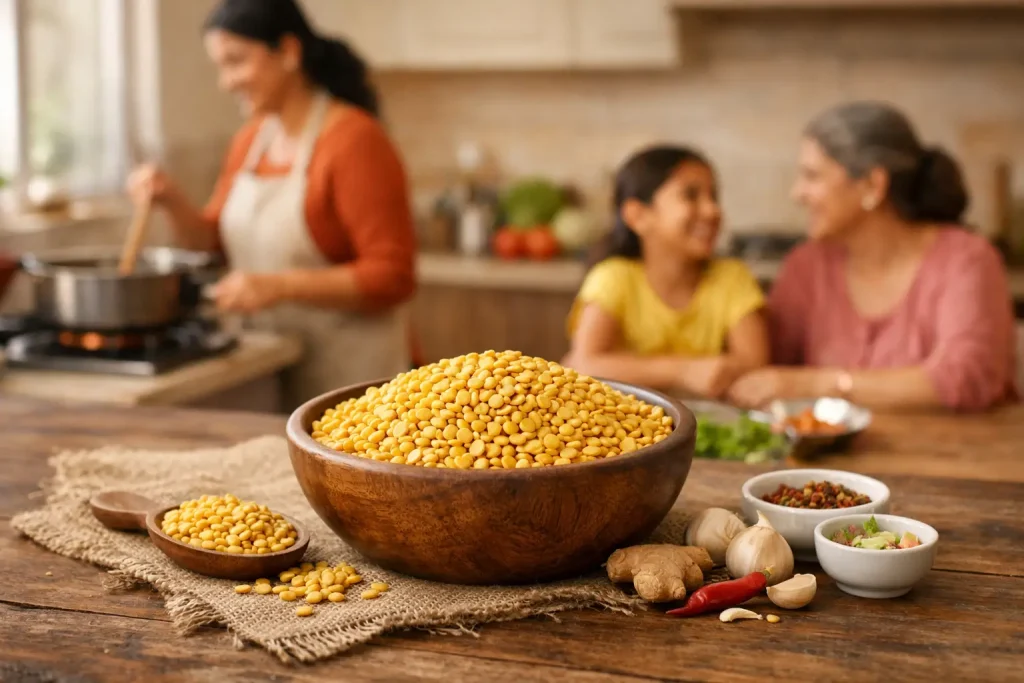
Toor dal, also called split pigeon peas, is used most often as the base for cooked lentil dishes. Once boiled or pressure cooked, it breaks down into a smooth, hearty consistency that absorbs seasoning beautifully. That makes it ideal for meals that need body, comfort, and a good balance between flavor and texture.
In many homes, the most common use is plain dal served with rice or roti. This version can be as simple or as rich as you like. Some families keep it very basic with turmeric, salt, and a light tempering of cumin and garlic. Others build more flavor with tomatoes, green chilies, curry leaves, onion, or a spoon of ghee. The beauty of toor dal is that it handles both styles well.
It is also a key ingredient in South Indian sambar. Here, toor dal gives the dish its body while tamarind, sambar powder, and vegetables create the signature sweet-sour-spiced flavor. If you enjoy idli, dosa, or rice with sambar, you have already seen one of the best answers to what is toor dal used for.
Some dals hold their shape more clearly after cooking. Toor dal is different. It softens well and creates a thicker, smoother result, which is one reason so many home cooks reach for it when they want a satisfying meal without much fuss.
Another reason is versatility. Toor dal can be the star of the meal or part of a bigger dish. It can be lightly seasoned for children and older family members, or made bolder with chili, garlic, mustard seeds, and asafoetida for a stronger flavor. It also stretches well for family cooking, which matters when you want value as much as authenticity.
There is also the comfort factor. A pot of toor dal feels familiar. It is filling without being heavy, and it works across seasons. In cooler weather, it makes a warming bowl of dal rice. In hotter months, a thinner toor dal with rice and pickle still feels satisfying without being too rich.
The most well-known dish is simple yellow dal. This is often pressure cooked with turmeric, then finished with a tempering of cumin, garlic, onions, chilies, or curry leaves. Served with steamed rice, it is one of the easiest and most dependable meals you can make from pantry basics.
Sambar is another classic. Toor dal gives the broth its creamy base, while tamarind adds tang and sambar powder brings depth. This combination works with rice, vada, idli, and dosa, so it is a practical choice when you want one cooked dish to serve in different ways.
Khichdi is another common use. While moong dal is often the first choice for softer khichdi, some households use toor dal with rice and mild spices for a more substantial version. It depends on the texture you like. Toor dal gives a heartier bite and a richer flavor.
You will also find toor dal in dal fry and dal tadka. These restaurant-style versions usually include onion, tomato, garlic, and a generous tempering. The result is more layered and bold than a plain home-style dal, but still built on the same pantry staple.
Some cooks blend toor dal with other lentils. Mixing it with masoor dal or moong dal can change both flavor and texture. If you want a softer, lighter result, blending helps. If you want the fuller taste of toor dal but a faster cook time, mixing can be a practical middle ground.
Toor dal has a mild, nutty, slightly earthy taste. It is not overpowering, which is why it works so well with different regional seasonings. It takes on the flavor of garlic, cumin, curry leaves, tamarind, ghee, and spice blends without disappearing completely.
This matters when you are stocking staples for regular meals. Some ingredients are very specific, useful only in one or two dishes. Toor dal is more flexible. If your family likes North Indian-style dal one day and South Indian-style sambar the next, you can use the same bag for both.
If you are new to Indian groceries, it helps to know where toor dal fits.
Compared with moong dal, toor dal has a stronger taste and a slightly heavier texture. Moong is often chosen for very light meals, while toor feels more filling.
Compared with masoor dal, toor dal is less sweet and usually cooks into a thicker, creamier texture. Masoor cooks quickly, but toor often gives a more traditional flavor for classic dal and sambar.
Compared with chana dal, toor dal softens more fully. Chana dal tends to stay firmer and more grain-like, so it is better when you want bite. Toor is better when you want a smooth, comforting base.
That is why the answer to what is toor dal used for often comes down to texture as much as taste. It is the dal many cooks choose when they want a creamy finished dish rather than separate lentils in the pot.
Toor dal is usually rinsed before cooking. Some people soak it for a short time to help it soften faster, though this is optional if you are using a pressure cooker. A little turmeric is often added during cooking for flavor and color.
A pressure cooker is the fastest and most common method. It gives you soft, mashable dal with less effort, which is useful for busy households. On the stovetop, it takes longer and may need extra water, but the result is still good if you give it enough time.
The amount of water depends on the dish. For plain dal, many cooks want it soft enough to whisk into a smooth consistency. For sambar, you may keep it slightly thicker at first and thin it later after adding tamarind and other ingredients. There is no single perfect texture. It depends on how you plan to serve it.
Seasoning is where the final dish really comes alive. A simple tempering of oil or ghee with cumin seeds, mustard seeds, garlic, dried red chilies, curry leaves, or onions can completely change the character of the dal. This is why one staple can feel different from meal to meal.
Toor dal is the right choice when you want a dependable, family-friendly lentil that works across different Indian dishes. It is especially useful for regular weekly cooking because it is familiar, adaptable, and easy to pair with rice, roti, and common pantry spices.
It may not be your first pick for every recipe. If you want a very light dal, moong may feel gentler. If you want a firmer lentil, chana dal may suit the dish better. But for balanced everyday cooking, toor dal is hard to beat.
For shoppers building a practical Indian pantry, this is one of those staples worth keeping on hand. It gives you comfort, versatility, and good value in one bag. At One Stop Supermarket, it sits exactly where a strong pantry basic should – easy to find, easy to use, and always ready for the next home-cooked meal.
The best way to understand toor dal is not by reading about it once, but by cooking it your way and making it part of your weekly routine.