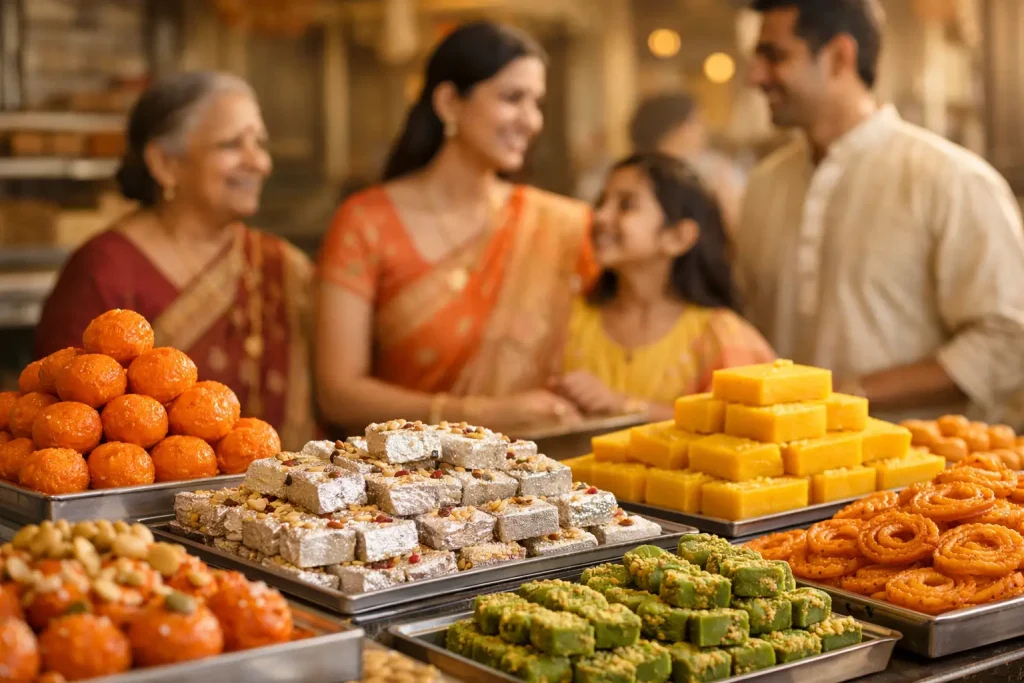
A traditional Indian sweets shop is more than a place to pick up dessert. It is where familiar flavors, family celebrations, religious occasions, and small everyday cravings come together in one colorful display. From soft milk-based mithai to nutty barfi and syrup-soaked favorites, each sweet carries a taste people recognize from home.
For busy households, having dependable access to authentic Indian sweets also makes planning easier. You can bring something meaningful when visiting family, prepare for a festival without last-minute stress, or simply enjoy a small treat with chai after dinner. The best sweet shops balance tradition with the practical things shoppers need: consistent quality, clear choices, fair pricing, and convenient local shopping.
Indian sweets, often called mithai, are part of the rhythm of life. A box of sweets may mark a birthday, new home, wedding, graduation, religious celebration, or a visit to someone who deserves good wishes. In many homes, sweets are not saved only for large events. They are served when guests arrive, shared after a good piece of news, and offered with tea when the family is together.
That is why choosing mithai is often personal. One person looks first for kaju katli because it feels festive and elegant. Another reaches for motichoor ladoo because it reminds them of temple offerings or family celebrations. Someone else wants a simple piece of milk cake, peda, or coconut barfi with a cup of chai. A good selection respects all of those preferences rather than treating Indian sweets as one generic category.
Texture matters just as much as flavor. Barfi should have a satisfying bite without feeling dry. Gulab jamun should be soft and evenly soaked in syrup. Ladoo should hold together well while still tasting light and rich. These details are what make a familiar sweet feel worth bringing home.
A well-stocked traditional Indian sweets shop makes it easier to find both classics and regional favorites. The display may include creamy, nut-based, coconut, flour-based, and syrup sweets, giving families options for different tastes and occasions.
For regular enjoyment, many shoppers choose sweets that are easy to portion and share. Peda, milk cake, barfi, ladoo, and soan papdi are popular because they work for a quick serving after meals or an afternoon tea tray. They also make it simple to offer guests a small plate without needing extra preparation.
The right choice depends on who is eating. Children may prefer softer or sweeter options, while adults may lean toward pistachio, almond, cashew, or coconut varieties. If your household likes variety, a mixed box is often a better buy than committing to one large pack. It gives everyone a favorite and makes the box feel special from the first piece to the last.
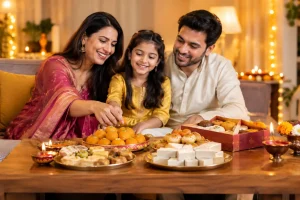
Festivals call for sweets that feel generous, colorful, and ready to share. Kaju katli, assorted barfi, ladoo, rasgulla, gulab jamun, and special gift packs are common choices for Diwali, Raksha Bandhan, Holi, Eid, weddings, and family gatherings. The best option depends on the size of the occasion and how the sweets will be served.
For a small home celebration, a compact mixed box may be enough. For visiting relatives, workplace sharing, or gifting several households, individually packed assortments can be more practical. They look presentable, travel better, and help with portioning. A larger box has value too, especially when everyone is gathering at one table and the sweets will be served right away.
Many customers look for handmade Indian sweets because the texture and flavor feel closer to what they know. Ingredients such as milk solids, ghee, sugar, nuts, cardamom, saffron, coconut, and gram flour each bring something distinct to the finished sweet. Authenticity is not about making every item identical. Regional recipes naturally vary in sweetness, softness, color, and richness.
For example, some families prefer a firmer barfi, while others want a softer, creamier style. Some enjoy a strongly cardamom-forward ladoo; others want more nut flavor. There is no single best mithai for everyone. A reliable shop gives shoppers enough choice to buy according to their own traditions and tastes.
Start with the occasion. If you are buying for guests, choose familiar crowd-pleasers and include more than one texture. A combination of a nut-based sweet, a milk-based sweet, and a syrup sweet gives people choices without making the tray complicated. If you are buying for your own household, select the items your family actually finishes and enjoy them at their best.
Next, consider portion size. A smaller box may be the smarter choice for a quiet weekend at home, while a larger assortment is useful during celebrations. Buying too much can be wasteful if your household prefers to enjoy sweets over a short period. On the other hand, a little extra is welcome when family visits are likely.
Check packaging and storage guidance before you leave. Some sweets are better kept chilled, while dry varieties may store well in a cool, dry place. Follow the label and enjoy products within the recommended time frame. This is a simple step, but it helps preserve the flavor and texture that made you choose them.
If you are shopping for a gift, presentation matters. Look for clean, secure packaging that is easy to carry and ready to hand over. A thoughtfully chosen sweet box says more than a last-minute generic gift because it reflects the recipient’s culture, preferences, and celebration.
A sweets shop visit often fits naturally into a regular grocery run. Pick up chai, biscuits, savory snacks, dairy essentials, pantry staples, frozen breads, or ready-to-eat favorites at the same time, and you are prepared for both daily meals and unexpected guests. This is the practical benefit of shopping at a supermarket that understands Indian household needs.
Mithai also pairs well with savory snacks for a balanced tea-time spread. A sweet selection alongside namkeen, biscuits, and hot tea gives guests something for every mood. For a family gathering, adding ready-to-serve items can reduce kitchen time and let you focus on the people around you.
At One Stop Supermarket, shoppers can find handmade Indian sweets alongside the grocery essentials they buy week after week. That means fewer stops, dependable value, and more time to enjoy the occasions that bring everyone together.
When buying sweets for a group, think beyond the most popular item. A box with variety is often more welcoming, especially when guests have different preferences. Include a familiar favorite, a nutty option, and something soft or syrupy when available.
For people who prefer a less sweet experience, ask about options with more nut, coconut, or milk flavor. Sweetness varies by recipe, so it helps to buy small quantities first when trying something new. Once you know what your family enjoys, it is easier to make confident repeat purchases.
It also helps to shop before major festivals rather than waiting until the final rush. You will have more time to choose gift boxes, compare pack sizes, and plan what you need for guests. If local delivery is available in your area, ordering ahead can make celebration shopping even easier.
A good box of mithai does not need a grand occasion. Keep a favorite at home for tea, share one with a neighbor, or take a small assortment when visiting loved ones. Those simple gestures are often where tradition feels most alive.