A well-stocked Indian pantry makes weekday meals feel far less complicated. If you are deciding what to buy from an Indian supermarket, start with the ingredients that work across many familiar dishes, then add convenient favorites for the days when time is short. The goal is not to fill your cart with products you may use once. It is to build a dependable kitchen that helps you cook, snack, host, and eat well all week.
At One Stop Supermarket, you can find authentic Indian brands and everyday essentials in one place, whether you are replenishing a family pantry or trying a few new staples for the first time.
The best first purchases are the foods that give you flexibility. Rice, dals, spices, flour, and a few quick meal options can cover breakfast, lunch, dinner, and unexpected guests without requiring a separate trip for every ingredient.
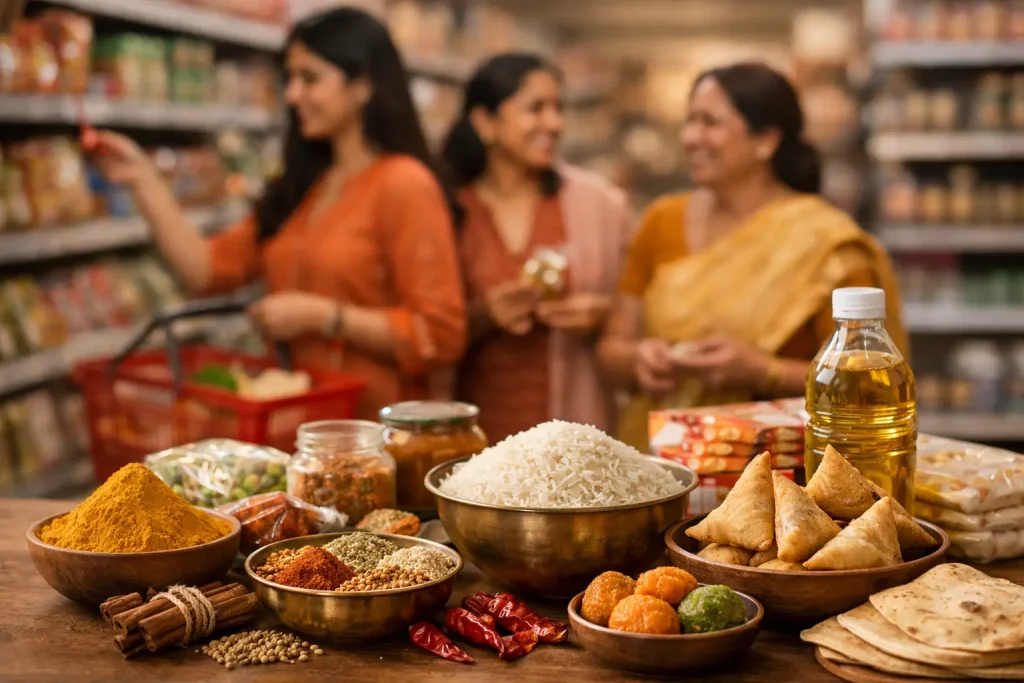
Rice is one of the most useful items to buy in a larger bag because it stores well and pairs with almost anything. Sona masoori rice is a reliable everyday choice for households that enjoy soft, light grains with dal, curries, or yogurt. Basmati rice is the better pick when you want long, fragrant grains for biryani, pulao, or a special family meal.
If storage space is limited, begin with a smaller bag and see how quickly your household uses it. Larger packs usually offer better everyday value, but only when they stay fresh and fit your routine.
Dals are a practical reason Indian grocery shopping can make weeknight cooking easier. They are pantry-friendly, satisfying, and adaptable to many tastes. Toor dal is a household staple for comforting everyday dal. Moong dal cooks quickly and works well when you want something lighter. Masoor dal has a soft texture and is convenient for fast meals, while chana dal brings a heartier bite to traditional recipes.
Urid dal deserves a place in the cart too, especially if your home uses it for dosa and idli batter or tempering. You do not need every variety at once. Choose two or three that match the dishes your family already enjoys, then broaden your selection over time.
Whole wheat atta is a smart regular purchase for fresh homemade roti and chapati. Families who make flatbreads often may prefer a larger bag, while occasional cooks can start smaller to maintain freshness.
Frozen roti and paratha are equally worth keeping on hand. They are not a replacement for every homemade meal, but they are a very useful backup for busy evenings, school-night dinners, or last-minute guests. A hot paratha with pickle, yogurt, or leftover dal can turn a rushed meal into something satisfying.
A spice shelf does not need to begin with twenty jars. Start with the flavors you will reach for repeatedly, and choose trusted brands with good aroma and color. Whole spices generally keep their character longer, while ground spices are convenient for everyday use.
For a useful starting set, consider these essentials:
A ready-made masala blend can also save time. Products such as chaat masala, pav bhaji masala, biryani masala, sambar powder, or chai masala are helpful when you cook specific dishes often. The trade-off is simple: individual spices give you more control, while blends make it easier to get a familiar flavor quickly.
Ginger-garlic paste, tamarind, pickles, papad, chutneys, and cooking sauces can make a pantry feel complete. These are the small items that help turn rice and dal into a meal with more variety and personality.
Pickles are especially useful for adding a bold, tangy side to simple meals. Choose mild or spicy varieties according to your household’s preference, and keep a packet of papad for an easy crunchy addition at lunch or dinner.
An Indian supermarket cart should reflect how people actually eat at home. Along with cooking staples, include a few foods that make hectic mornings and afternoon tea breaks easier.
Instant poha, upma mixes, ready-to-cook idli mixes, and noodles are practical choices when you need a quick meal without starting from scratch. Keep the options your family genuinely enjoys rather than buying every variety available. A few reliable shortcuts are more useful than a crowded pantry.
For tea time, biscuits are always a good place to start. Marie biscuits, glucose biscuits, butter cookies, and savory crackers each suit different preferences. Pair them with chai, coffee, or a favorite local or imported beverage for an easy break at home.
Indian snacks are ideal for sharing, packing, and serving when visitors arrive unexpectedly. Mixtures, bhujia, sev, chakli, murukku, khakhra, and roasted snack options offer different textures and spice levels. If you are shopping for children or guests who prefer milder flavors, add a few simple biscuit and snack choices alongside the spicier favorites.
Ready-to-eat foods can also be a sensible purchase, particularly for busy households. Keep a couple of shelf-stable meal options for evenings when cooking is not realistic. They are best treated as convenient backups, not necessarily an everyday replacement for home-cooked food.
Once the basics are covered, a few specialty products can bring more comfort and celebration to your kitchen. Sabudana is useful for traditional dishes and fasting-day meals. Vermicelli is handy for sweet and savory preparations. Besan, sooji, and rice flour are versatile choices for households that enjoy making a wider range of Indian foods at home.
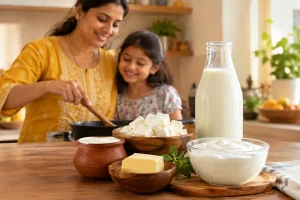
Dairy items such as yogurt, paneer, ghee, and butter are also common repeat purchases. Buy them according to your household’s weekly use, and check dates before adding extras to the cart. Ghee may last longer in the pantry, while yogurt and paneer are often best purchased in amounts you know you will finish soon.
Handmade Indian sweets make an easy addition for family gatherings, celebrations, or simply bringing home something familiar. For an immediate meal, traditional Indian hot food can be the most convenient choice on a packed day. It is a helpful option when you want authentic flavor without another cooking task waiting at home.
The smartest Indian grocery cart is built around repeat use. Before you shop, think about the meals your household makes most often, how many people you cook for, and which days tend to be busiest. That will tell you whether value-sized rice and atta packs make sense, or whether smaller packs and more ready-to-eat options are the better fit.
Keep a short running list on your phone for rice, dal, spices, snacks, dairy, and frozen breads. When these essentials are easy to replenish through a nearby store or local delivery, everyday meals become less about planning perfectly and more about having familiar, quality choices ready when you need them. Start with the staples you know, add one new item each trip, and let your pantry grow around the food your home truly loves.