You can usually tell within a few minutes whether an authentic indian market is truly set up for real household shopping or just stocked for occasional browsing. If the shelves carry the dals you actually cook with, the rice your family prefers, the spice brands you trust, and the ready-to-eat options that save dinner on a busy weeknight, that is when a store starts to feel useful, familiar, and worth returning to.
For many families, Indian grocery shopping is not about novelty. It is about routine. You need a place where sona masoori rice is easy to find, where urad dal is not treated like a specialty item, and where frozen roti, paneer, biscuits, and masalas are part of the regular weekly shop. A good market understands that authenticity is not only about labels or packaging. It is about whether the products match the way people actually cook and eat at home.
A genuine Indian grocery store earns trust through consistency. Shoppers want to know that the staples they rely on will be there next week, not just during a holiday rush or special promotion. That means a strong pantry range matters just as much as convenience foods or sweets.
Rice is one of the clearest examples. Different households have strong preferences, whether that is basmati for biryani and pulao or sona masoori for everyday meals. The same goes for lentils and dals. Toor dal, moong dal, chana dal, masoor dal, and urad dal are not interchangeable, and experienced home cooks know exactly what they need. When a store carries the right variety in practical pack sizes, it saves customers from making extra stops.
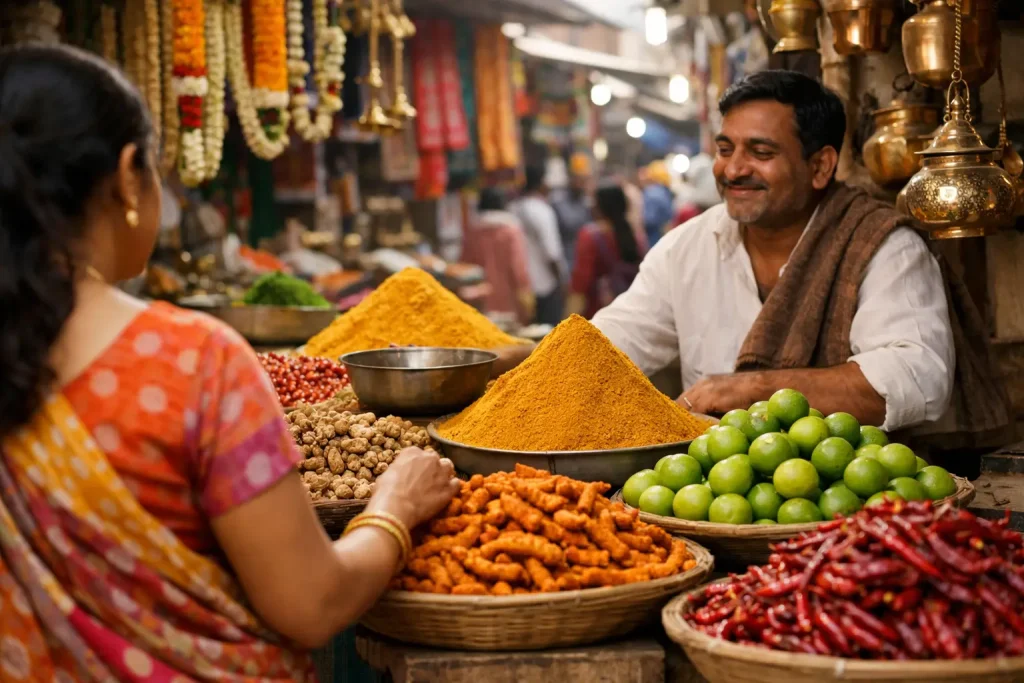
Spices are another test. An authentic market should stock the brands people recognize and trust, along with the basics that support everyday Indian cooking. Turmeric, chili powder, coriander powder, cumin seeds, mustard seeds, garam masala, hing, and whole spices should not feel like hard-to-find items. They should be part of a dependable core range.
Then there are the products that make a real difference to busy households. Instant foods, ready-to-eat meals, frozen paratha, frozen roti, snacks, and traditional sweets are not secondary categories anymore. They are part of how many families balance work, school, and home cooking. A market that understands this will build its selection around real life, not an idealized version of it.
Some stores look authentic because they carry a few familiar brands, but the overall experience still feels limited. A truly authentic indian market goes further. It offers depth in the categories that matter, not just a token selection.
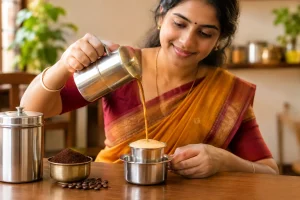
That depth matters because Indian cooking is highly regional and personal. One shopper may be looking for poha, sabudana, and farsan for breakfast and fasting meals. Another may want specific pickles, papads, or flour for regular family cooking. Someone else may be shopping mainly for chai, biscuits, dairy items, and a few frozen foods to get through the week. When the assortment reflects those different routines, the store becomes part of the community rather than just another retailer.
There is also a quality question. Customers want products that are fresh, properly packed, and sourced from brands they know. This applies across the store, from ghee and dairy to snacks and sweets. A low price is helpful, but not if it comes with uncertainty. Most repeat shoppers are looking for value, which is not exactly the same as the cheapest option. Value means fair everyday pricing, reliable quality, and less hassle.
For regular grocery shopping, convenience is not a bonus. It is part of the service. Families are not just buying for one meal. They are restocking the kitchen for the week, planning school lunches, picking up tea-time snacks, and making sure there is always something quick available for unexpected guests or late evenings.
That is why a one-stop shopping experience matters so much. If you can buy rice, lentils, masalas, frozen breads, sweets, dairy, beverages, and hot food in one order, it saves time and reduces stress. This is especially useful for customers who already know what they want and do not want to spend the weekend driving between multiple stores.
Online ordering adds another layer of practicality. For many households, the best authentic market is not only the one with the right products on the shelf. It is the one that makes repeat ordering easy. Being able to add pantry staples, snacks, and frozen items to the cart from home is a simple advantage, especially during a busy workweek.
For shoppers in areas like Calamvale, Pallara, Algester, and nearby suburbs, local delivery can make a real difference. It turns grocery shopping from a half-day task into a manageable part of the routine. That kind of service supports loyalty because it respects how customers actually live.
The easiest way to judge an authentic indian market is to look at how well it supports everyday cooking. If a store has a broad but practical mix of staples, that is a strong sign. You should be able to shop for both planned meals and quick backups without feeling like the selection is incomplete.
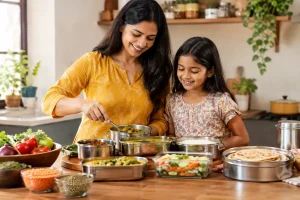
A good market also makes room for both traditional and convenience-focused buying habits. Some shoppers want ingredients for scratch cooking, including lentils, flours, spices, and rice in family sizes. Others need frozen snacks, instant noodles, ready meals, bakery items, and sweets for easy serving at home. Most households want both. Stores that understand this balance are usually the ones that keep customers coming back.
Pricing should also feel sensible. Indian grocery shoppers are often repeat buyers, so they notice when basic staples are priced fairly and when they are not. Strong everyday pricing on pantry essentials builds trust much faster than occasional flashy deals. Promotions still help, especially on popular brands and family-size packs, but consistency matters more.
Customer experience is another clue. A store does not need to feel fancy to feel reliable. It should feel organized, well stocked, and focused on helping shoppers get what they need without confusion. That practical supermarket approach often serves families better than a boutique-style setup.
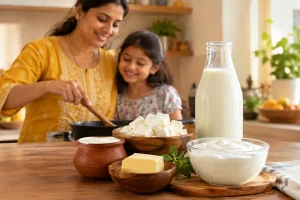
An authentic indian market becomes part of the weekly routine because it covers the categories customers buy again and again. Rice and lentils are obvious staples, but they are only the beginning. Snacks for school and tea time, biscuits for guests, dairy for daily cooking, beverages for the pantry, and frozen products for quick meals all play a role.
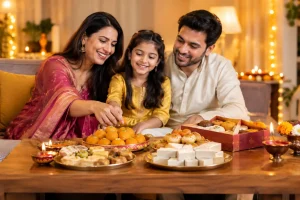
Traditional sweets and hot food also matter more than some retailers realize. These items connect grocery shopping with celebration, hospitality, and comfort. Sometimes customers are shopping for a regular weeknight dinner. Sometimes they are picking up sweets for visitors or adding hot food to make a long day easier. A market that serves both needs feels more complete.
That is where a neighborhood-focused business has an advantage. It can stock products based on what local families actually buy, not just what looks good in a catalog. One Stop Supermarket fits that model by combining a broad grocery range with practical online ordering and local service, which is exactly what many Indian households are looking for.
There is a simple reason customers return to stores that get this right. Authenticity without convenience can feel frustrating. Convenience without authenticity feels generic. And low prices without trusted quality rarely build long-term loyalty.
The strongest Indian grocery stores bring these pieces together. They carry genuine brands, maintain a dependable range, keep pricing competitive, and make shopping easier for busy families. That combination turns a store from somewhere you visit occasionally into somewhere you rely on every week.
For anyone choosing where to shop, the best authentic indian market is usually the one that feels closest to home in both product range and service. It helps you cook the meals you know, stock the staples you need, and handle everyday life without extra effort. When a store can do that consistently, it becomes more than convenient. It becomes trusted.