Some grocery trips should be simple. If you are trying to make dal for the week, pack lunchbox snacks for the kids, and pick up fresh methi before dinner, you should not have to drive to three different stores. That is why authentic indian groceries matter – not just for special occasions, but for everyday cooking, weekly restocking, and the comfort of knowing your pantry has the right ingredients when you need them.
For many households, authenticity starts with familiarity. You know the rice your family prefers. You know which atta makes softer rotis, which pickle tastes right with curd rice, and which brand of poha gives the texture you want. A good Indian supermarket understands that these are not small details. They are the difference between a quick shop that feels easy and a frustrating one that leaves half your list unfinished.
Authenticity is not about stocking one or two popular products and calling it Indian grocery shopping. It means carrying the pantry staples, fresh produce, frozen foods, snacks, sweets, and ready-to-eat items that households actually buy every week. It also means offering trusted brands people recognize, with the quality and freshness needed for real home cooking.
That can look different from one family to the next. Some shoppers need sona masoori rice, toor dal, urid dal, and a strong range of masalas because they cook from scratch most nights. Others want frozen paratha, instant upma mix, biscuits for tea time, and a few fresh vegetables to make weekday meals easier. Both are valid. A well-stocked supermarket should support traditional cooking and busy modern routines without making customers choose between convenience and authenticity.
A reliable Indian grocery shop starts with staples. Rice varieties matter because every meal does not use the same grain. Basmati works for biryani and pulao, while sona masoori is a go-to for many everyday meals. Atta matters for soft chapatis. Dals and lentils matter because households use them in rotation, not as one-off purchases.
Spices are another clear test of quality. Fresh turmeric powder, chili powder, coriander powder, cumin, mustard seeds, garam masala, hing, and whole spices should be easy to find, and they should come from brands customers already trust. When these basics are available in one place, meal planning becomes easier. You are not improvising around missing ingredients. You are buying what you actually use.
There is also a practical value point here. Households that cook Indian food regularly do not shop only for flavor. They shop for volume, repeat use, and affordability. Everyday pricing matters because these are recurring purchases. A supermarket that keeps essential staples well stocked and fairly priced saves time and supports the weekly budget.
Anyone can stock shelf-stable goods. Freshness is where a store proves itself. Coriander, green chilies, curry leaves, okra, bottle gourd, eggplant, ginger, green mangoes when in season, and other Indian vegetables need to look like they belong in tonight’s dinner, not like they have been sitting too long.
That is especially important for family shoppers who are planning several meals at once. If the produce is fresh, you can buy with confidence for the next few days. If it is inconsistent, you end up shopping again sooner than you planned. For busy households, that is a real inconvenience.
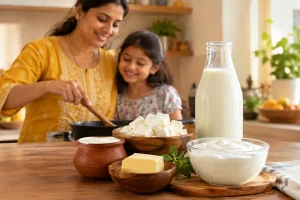
Fresh dairy and bakery items matter too. Paneer, yogurt, bread, and everyday essentials are often part of a regular basket, not an occasional add-on. When those items are available alongside pantry staples and vegetables, the store becomes a true one-stop supermarket instead of a specialty stop that still leaves work to do.
There is sometimes a false idea that authentic shopping only means cooking everything from scratch. That is not how many families shop anymore. Frozen roti, frozen paratha, ready snacks, instant foods, and quick meal options are part of practical weekly buying. They help on school nights, long workdays, and weekends when guests arrive unexpectedly.
The key is having options that still feel culturally familiar. A freezer section with Indian breads and snacks is not just about convenience. It helps households keep backup meal solutions at home without giving up the flavors they want. The same goes for instant poha, upma, noodles, heat-and-eat curries, and other quick items that fit modern routines.
This is where a broad product range really helps. Shoppers should be able to buy ingredients for slow Sunday cooking and easy weekday meals in the same trip. That balance is what makes a supermarket useful week after week.
A proper Indian grocery basket is rarely just staples. There are always the extras that make a home feel stocked – biscuits for tea, namkeen for guests, juices and beverages for the fridge, and sweets for festivals, family visits, or simply because someone felt like bringing home something nice.
These categories often show whether a store understands its community. Households do not only shop for dinner ingredients. They shop for routines, cravings, celebrations, and hospitality. A store that carries popular snacks, handmade sweets, and familiar beverage choices makes regular shopping easier because customers do not have to make a separate trip later.
Convenience is not a bonus anymore. For many households, it is the deciding factor. People are managing work, school pickups, family commitments, and rising costs. If authentic Indian groceries are available in one place, with fair pricing and dependable stock, that removes a lot of friction from the week.
It also helps reduce last-minute substitutions. When your supermarket consistently carries the brands and ingredients you trust, shopping becomes faster. You know what to buy, where to find it, and what to expect on quality. That kind of reliability matters more than flashy marketing.
For local shoppers, online ordering and neighborhood delivery add another layer of convenience. Sometimes you want to browse in store and choose your vegetables yourself. Sometimes you just need to reorder rice, dal, snacks, and frozen items without leaving home. A supermarket that supports both makes everyday shopping more flexible.
Start with range. If a store only carries a few headline products, it may work for occasional top-ups, but not for a full household shop. Look for strong coverage across rice, flours, dals, spices, dairy, frozen breads, fresh produce, snacks, sweets, and ready-to-eat food.
Then look at brand trust and freshness. Recognizable Indian brands matter because customers know how those products perform in the kitchen. Freshness matters because no discount feels worthwhile if vegetables spoil too quickly or dairy is inconsistent.
After that, consider service. Good local supermarkets understand repeat shopping. They keep essentials in stock, offer practical pricing, and make it easy to shop the way customers prefer. For nearby suburbs, local delivery can make a real difference, especially for weekly replenishment or last-minute needs.
One Stop Supermarket is built around exactly that kind of practical shopping experience – genuine Indian brands, fresh staples, strong value, and the convenience of both in-store and online ordering for local households.
The best Indian grocery shopping does not feel complicated. It feels familiar, efficient, and dependable. You can buy the rice your family prefers, the dals you cook every week, the snacks everyone reaches for, and the fresh ingredients that turn plans into dinner.
Authenticity matters, but so does ease. When both come together in one place, the weekly shop gets lighter, meals come together faster, and home feels properly stocked for whatever the week brings.