The second time you run out of toor dal midweek, it becomes clear that grocery shopping is not just about buying ingredients. A good plan keeps everyday meals moving, makes school-night cooking less stressful, and stops the cupboard from filling with packets nobody uses. Learning how to plan indian groceries starts with the meals your household actually eats, then builds a practical pantry around them.
For many families, the best grocery list is not a long list copied from a recipe website. It is a repeatable system: staple grains and dals, the spices that give your food its familiar flavor, a few quick meal options, and sensible top-ups for dairy, snacks, and breakfast. Once you know your household rhythm, shopping becomes quicker and easier to budget.
Before opening a shopping app or walking into the store, think through the next seven days. How many breakfasts will be made at home? Which nights need a fast dinner? Are you packing lunches, hosting family, fasting, or cooking a special regional dish this week?
Write down five to seven meals you realistically expect to make. You do not need a different menu every night. In fact, repeating a few family favorites makes planning more affordable and reduces waste. A week might include dal chawal, roti with a dry curry, idli or dosa for breakfast, pulao, khichdi, and one easy freezer-based meal for a busy evening.
Then work backward from those meals. Dal chawal may call for sona masoori rice, toor dal, turmeric, cumin, mustard seeds, asafoetida, and ghee. If these are already in your pantry, only add what is running low. This simple check prevents buying a second bag of rice while the first one is still half full.
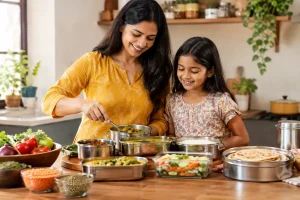
A grocery plan should fit your real schedule, not your most ambitious cooking week. Keep a few reliable shortcuts on hand for late workdays, children’s activities, or unexpected visitors. Frozen roti or paratha, instant mixes, ready-to-eat dishes, biscuits, and familiar snacks can help you put together something satisfying without starting from scratch.
Convenience foods do not replace home cooking. They support it. The goal is to have options that keep your family fed well when time is short, rather than relying on last-minute takeout.
Shopping by category makes it easier to see gaps in your kitchen and avoid wandering through the aisles buying duplicates. Use the same categories each week so your list becomes almost automatic.
Choose the grains your household reaches for most often. Sona masoori rice is a popular everyday choice for many homes, while basmati may be better for biryani, pulao, or special meals. If you cook rice several times a week, a larger bag can offer better value, provided you have dry, airtight storage space.
Add atta based on how often you make rotis or parathas. Households that enjoy breakfast staples may also keep poha, rava, oats, vermicelli, or idli and dosa mixes ready. Buy what matches your routine, not every option at once. A well-used pantry is more useful than an overstocked one.
Dals are where variety matters, but you do not need to replace every type every week. Keep your core favorites stocked, such as toor dal, moong dal, chana dal, masoor dal, urad dal, rajma, chickpeas, or black-eyed peas. The right mix depends on your family’s cooking traditions and preferences.
Check quantities before shopping. If you use dal most days, keep enough for at least two weeks, especially for the varieties you cook most often. For less frequent ingredients such as sabudana or specialty beans, smaller packets may make more sense unless they are part of your regular menu.
Spices are often bought in small amounts but have a big impact on whether a meal tastes right. Your regular list may include turmeric, chili powder, coriander powder, cumin, garam masala, mustard seeds, cumin seeds, ajwain, kasuri methi, and whole spices such as cloves, cinnamon, and cardamom.
Do a quick smell and date check before adding spices to the cart. Ground spices lose strength over time, so buying the biggest pack is not always the best value for an ingredient you use rarely. Whole spices generally keep their flavor longer and can be a smart choice for occasional cooking.
Also check the basics that are easy to forget: cooking oil, ghee, salt, sugar, tea, coffee, pickles, papad, sauces, and cooking pastes. These are the items that can turn a planned dinner into an extra store trip when they run out unexpectedly.
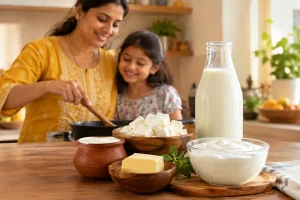
Add dairy items according to how quickly your household uses them. Yogurt, paneer, milk, butter, and ghee can support breakfasts, snacks, and dinner, but buying too much at once may not be practical for every family. Consider your available refrigerator space and use-by dates.
Snacks deserve a place in the plan too. Biscuits, namkeen, mixture, roasted snacks, and handmade Indian sweets can be useful for lunchboxes, tea time, guests, and those small hungry moments between meals. Set a simple weekly snack budget so these extras feel enjoyable without quietly becoming the biggest part of the bill.
The easiest way to shop smarter is to keep two separate lists. Your first list is for weekly replenishment: dairy, breakfast items, snacks, quick meals, and anything you are nearly out of. Your second list is for pantry restocking: rice, atta, dals, spices, oils, and household essentials.
This method helps you recognize the difference between a real need and an impulse purchase. Pantry items can often be bought in larger packs when there is a good price and you know they will be used. Weekly items are best purchased in amounts that fit the next several days.
Take a quick pantry photo before shopping if more than one person buys groceries for the household. It is a simple way to avoid the classic problem of two people coming home with the same packet of garam masala.
Large packs can bring better everyday value, but only when the product will be used before quality drops. A big rice bag often works well for a larger family. A bulk-size packet of a specialty flour may not make sense if you cook with it once a month.
Consider storage before choosing a pack size. Dals, flours, rice, and snacks stay easier to manage when moved into clean, dry, airtight containers. Label containers with the purchase date, particularly when you top up an existing supply. Use older stock first so nothing gets forgotten at the back of the shelf.
If you are trying a new brand or ingredient, start smaller. Once your family likes it, you can choose a larger pack the next time. Trusted Indian brands are worth seeking out because familiar taste, consistency, and reliable quality matter in everyday cooking.
A practical grocery plan should leave room for enjoyment. Add one item that makes the week feel special, whether that is a box of sweets, a favorite beverage, a snack for movie night, or ingredients for a family recipe. Planning it means you can enjoy it without making an unplanned, expensive stop later.
Also include one backup meal. This could be frozen paratha with yogurt and pickle, an instant food option, or a ready-to-eat meal you know your household enjoys. Backup meals are not a failure of planning. They are part of planning for real life.
Put your list in the order you usually shop: grains and flours, dals, spices, dairy, snacks, frozen items, and ready-to-eat options. Add quantities beside each item. “Rice” is less useful than “sona masoori rice – one 10-pound bag” or “toor dal – one packet.”
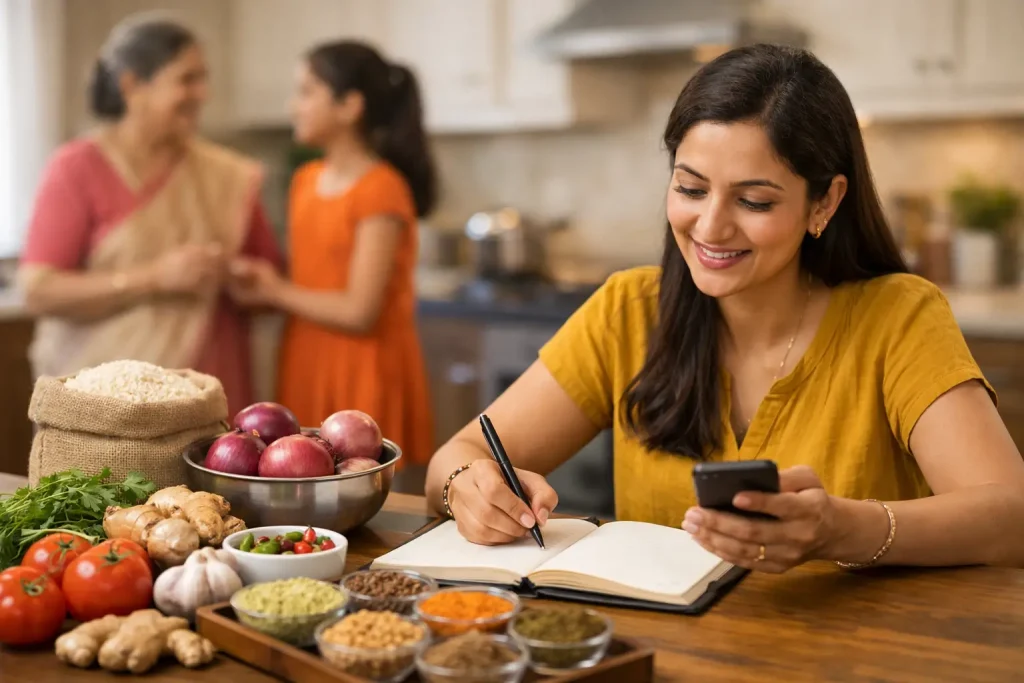
For regular household shopping, save a reusable list on your phone. Each week, delete what you do not need and add the items that are low. This takes only a few minutes and makes online ordering or in-store shopping far faster.
One Stop Supermarket makes this routine easier by bringing authentic Indian grocery staples, trusted brands, pantry favorites, snacks, dairy, and convenient meal options together in one local shop. When your list is ready, you can focus on choosing the right products for your family instead of visiting several stores.
A good grocery plan does not need to be perfect. Keep it flexible, notice what your family finishes first, and adjust next week’s list. Over time, your kitchen will hold the ingredients you genuinely use, your meals will feel easier to manage, and your grocery budget will work harder for every family dinner.