
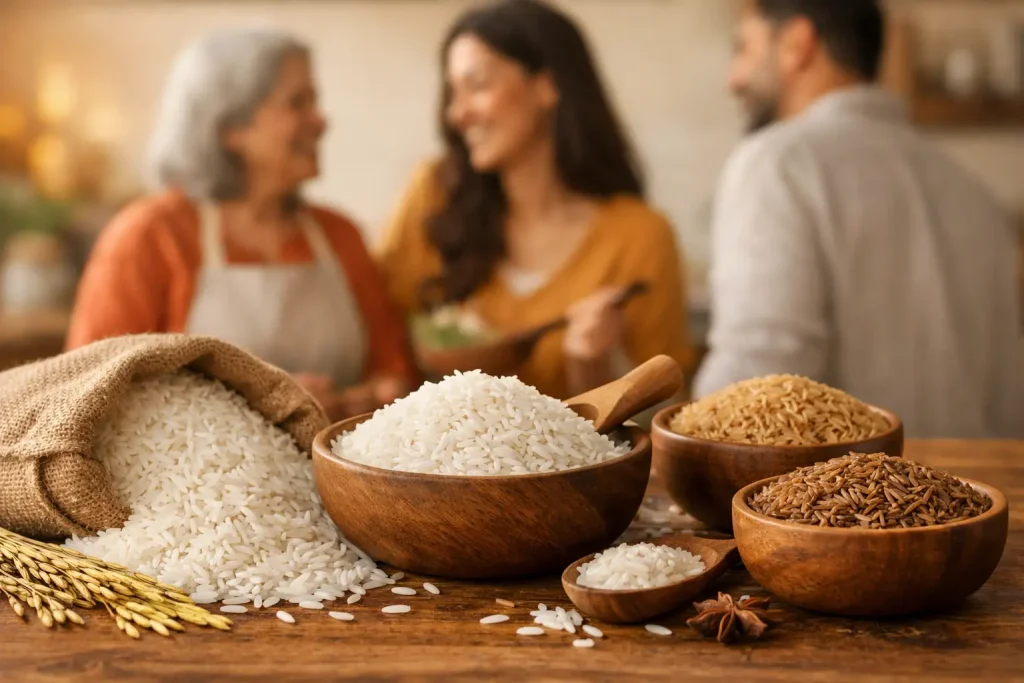
You usually notice a good basmati rice before it even reaches the plate. The grains look long and elegant in the bag, and once cooked, they stay separate with that familiar aroma that makes biryani, pulao, or a simple dal-chawal meal feel right. If you have ever stood in the rice aisle comparing brands, pack sizes, and labels, knowing how to choose basmati rice can save you money and help you bring home a product that actually suits the way your family cooks.
Not every basmati pack is the same. Some are best for special-occasion biryani, some are better for everyday meals, and some offer strong value without giving up too much on aroma or grain quality. The smart choice depends on what you cook most often, how particular you are about texture, and whether you want premium aged rice or a reliable daily option.
A lot of shoppers assume the most expensive bag must be the best one. Sometimes that is true, but not always. Price often reflects aging, grain length, brand reputation, and packaging size, but the right rice for your kitchen is the one that matches your cooking style.
If you mainly cook biryani for guests, it makes sense to spend more on extra-long, well-aged basmati with a stronger aroma and better elongation after cooking. If you cook rice several times a week with curries, dals, and simple side dishes, a mid-range basmati can be the better value. You still get the familiar fragrance and separate grains, just without paying premium pricing for features you may not need every day.
This is where reading beyond the front of the bag helps. Terms like premium, royal, or classic sound appealing, but they do not tell the full story on their own. Look at the grain appearance, aging claims, and the intended use if it is listed.
The easiest place to start is with the grain itself. Good basmati should look long, slender, and fairly uniform in size. If you can see the rice through a clear section of the package, check whether the grains appear consistent. Too many broken grains can affect texture and presentation, especially if you want fluffy rice with good separation.
Aroma matters too. True basmati is known for its distinct fragrance, even before cooking. You may not always be able to smell the rice through sealed packaging, but trusted brands that specialize in Indian pantry staples are usually a safer bet than generic alternatives trying to imitate the style.
Age is another detail that makes a real difference. Aged basmati generally cooks better because the grains have had time to dry out and mature. That usually means less stickiness, more elongation, and a lighter texture. For biryani and pulao, aged rice is often worth it. For regular weekday cooking, newer crop rice can still work well if you adjust water and cooking time carefully.
You should also pay attention to the label. If a pack clearly says extra long grain, aged, or traditional basmati, that is more useful than broad marketing language. Country of origin can matter as well, since authentic basmati traditionally comes from specific regions in the Indian subcontinent. That does not mean every imported bag is automatically better, but origin can be one sign of authenticity.
One common mistake is buying premium basmati for everything and then feeling the cost in the weekly grocery budget. Another is buying the cheapest option and expecting restaurant-style results. There is a middle ground.
Daily-use basmati is usually a practical choice for households that cook often and want dependable quality at a better price. The grains may be slightly shorter, the aroma may be milder, and the rice may not elongate as dramatically, but it still works beautifully for everyday meals.
Premium basmati is the right pick when appearance and texture are part of the dish. If you are making biryani for a family gathering, hosting guests, or cooking a pulao where each grain should stand out, the upgrade is easier to justify. The rice tends to look better on the plate and hold its shape more consistently.
Neither category is automatically better. It depends on how often you cook rice-heavy dishes and how much importance you place on presentation, aroma, and post-cooking grain length.
The best basmati for biryani is not always the same one you want for a quick weeknight dinner. That is why it helps to shop with a dish in mind.
For biryani, look for aged, extra-long basmati with a strong aroma. You want grains that can handle soaking, partial boiling, and final steaming without turning soft or clumping together. This is where premium rice tends to show its value.
For pulao, a long-grain aromatic basmati is also ideal, but you may not need the very top tier unless the dish is for a special occasion. Good separation and a clean finish matter most.
For simple rice served with dal, kadhi, rajma, or curry, a dependable everyday basmati is often enough. The dish around the rice brings plenty of flavor, so you can focus on value and consistency.
For lunch boxes or batch cooking, consider how the rice holds up after cooling. Some basmati varieties stay separate and pleasant even after reheating, while others lose texture. If you cook ahead often, choose a brand you know performs well the next day.
In Indian grocery shopping, familiar brands often earn loyalty for a reason. Households return to the same rice again and again because the results are predictable. That matters when you are cooking for family and do not want surprises in texture, cooking time, or aroma.
A trusted supermarket that focuses on authentic Indian staples can also make the decision easier. When the shelf selection is built around genuine brands and practical household buying, you are more likely to find options that suit both daily use and festive cooking. At One Stop Supermarket, many shoppers choose rice the same way they choose dals, spices, or frozen breads – by balancing quality, value, and what actually works at home.
If you are trying a new brand, start with a smaller bag first if possible. A 20-pound bag may offer better value, but only if your household truly likes the rice. Buying small once can be smarter than being stuck with a large pack that does not match your expectations.
Sometimes the problem is not your cooking method. It is the rice itself. If your cooked rice turns sticky too easily, has too many broken grains, or lacks the aroma you expect from basmati, the product may simply be lower quality or not well suited to the dish.
Very low-priced basmati can still be useful, but there is usually a trade-off. You may get less uniform grain size, weaker fragrance, or a softer texture. That does not make it bad, just less ideal for dishes where rice is the star.
Another issue is buying based only on the words long grain. Not all long-grain rice is basmati, and not all rice labeled in a way that suggests basmati will give you the classic result. If authenticity matters in your cooking, choose products that are clearly marketed as basmati by established brands.
If you are comparing bags in-store or online, keep it simple. Check the grain length, whether the rice is aged, the brand reputation, and the pack size. Then think about how often your family uses basmati and for which dishes.
Larger packs usually lower the cost per pound, which is helpful for regular household shopping. But storage matters. Rice should stay dry and protected, so only size up if you have space and know the bag will be used steadily.
It also helps to be realistic about preferences in your own home. Some families want maximum aroma and very long grains every time. Others care more about affordability and everyday consistency. Both are valid. The right choice is the one that fits your meals, your budget, and the standard you want on the table.
Once you know how to choose basmati rice, the aisle gets a lot less confusing. You stop buying based on guesswork and start buying with purpose – whether that means a premium bag for biryani night or a reliable everyday option for the weekly shop. A good bag of basmati should make dinner easier, not more complicated, and the best choice is the one your household is happy to cook again next week.