A box of mithai can say more than a long message. It marks a festival, welcomes guests, celebrates a new job, and turns an ordinary family visit into something special. This guide to handmade Indian sweets makes it easier to choose familiar favorites, try something new, and bring home sweets that feel right for the occasion.
Handmade Indian sweets are more than a dessert category. Across India, recipes change with region, family tradition, and season. Some sweets are rich with milk and ghee, some are nutty and dense, and others are light enough to enjoy with afternoon chai. Knowing a few basics helps you shop with confidence, whether you are choosing a small treat for home or a generous box to share.
Mithai is made with ingredients that many households already know well: milk solids, ghee, sugar, gram flour, nuts, coconut, cardamom, saffron, and rose water. The difference is in the method. Careful roasting, slow cooking, shaping, and balancing sweetness create the texture and flavor that make each sweet distinctive.
A handmade sweet should look neat but not factory-perfect. The surface of a peda may be gently pressed by hand. A piece of barfi may have slight variation at the edges. Those details are often part of its character. What matters most is a fresh aroma, a clean flavor, and a texture that suits the sweet – soft and milky for one variety, crisp or crumbly for another.
Because many mithai varieties are rich, a smaller portion often goes a long way. That makes mixed boxes especially practical for families. Everyone can choose the sweet they enjoy without bringing home too much of just one type.
The easiest way to choose mithai is to think about what you enjoy most: creamy dairy sweets, nut-forward pieces, syrupy classics, or roasted sweets with a deeper caramel flavor.
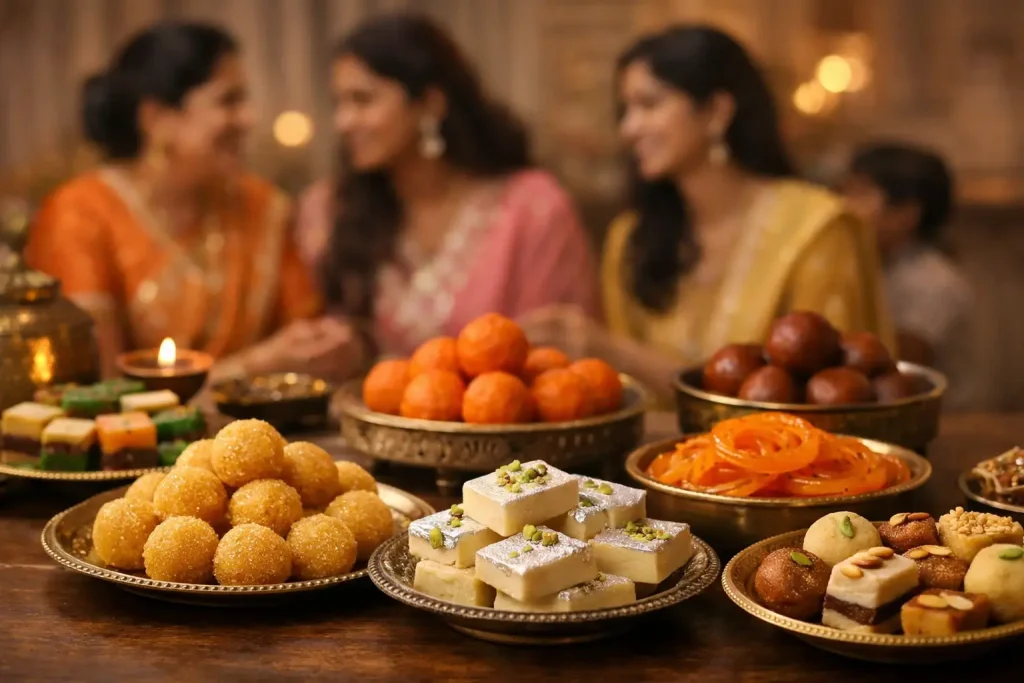
Peda is a dependable choice for almost any occasion. Usually made from reduced milk solids and gently flavored with cardamom, saffron, or pistachio, it has a soft, fudgy bite. It is a good option for guests, puja offerings, and family celebrations because the flavor is familiar without being too heavy.
Barfi is another classic with plenty of variety. Milk barfi is mild and creamy, while kaju katli offers a smooth cashew texture and a clean, rich finish. Almond, pistachio, coconut, and chocolate versions give families more choice. If you are buying for a mixed group, barfi is often a safe starting point because it is easy to serve and easy to share.
Rasgulla and rasmalai suit people who prefer soft, milky sweets. Rasgulla has a light, springy texture and is served in syrup. Rasmalai is softer and richer, with milk-based sauce and gentle cardamom or saffron notes. These are best selected when they will be enjoyed soon after purchase and kept chilled as directed.
Kaju katli is a popular gift-box sweet for good reason. Its thin diamond shape, smooth texture, and cashew flavor feel celebratory without being overly filling. It works well for Diwali, housewarmings, thank-you gifts, and office sharing.
Ladoo brings a more traditional, home-style feel. Besan ladoo has the warm, roasted taste of gram flour and ghee, while motichoor ladoo is soft, bright, and festive. Boondi ladoo can be more textured and sweet, making it a familiar choice for religious occasions and large family events.
Dry fruit sweets are a practical choice when you want a more nut-centered option. They can include cashews, almonds, pistachios, dates, or figs, depending on the variety. These sweets tend to feel substantial, so they are well suited to gifting in smaller quantities. Check the ingredient label carefully when shopping for someone with nut allergies.
Gulab jamun is one of the best-known Indian desserts. Soft milk-based dumplings soaked in fragrant syrup, it is warm, rich, and made for sharing after a meal. It is especially popular when serving guests at home, though it can be sweeter and heavier than dry mithai.
Jalebi offers a completely different experience: crisp, coiled spirals soaked in syrup. Its appeal is in the contrast between the delicate outside and syrupy center. Jalebi is best when you are looking for a lively, celebratory treat rather than a formal gift-box sweet.
Mysore pak and similar ghee-rich sweets are ideal for those who enjoy a deeper roasted flavor. Texture varies by recipe. Some pieces are soft and porous, while others are firmer and denser. If you have not tried it before, buy a small amount first and see which style your household prefers.
For everyday family treats, choose a modest mixed selection. A few pieces of peda, barfi, ladoo, and one syrupy favorite give everyone variety without creating waste. If you are serving chai, drier sweets such as kaju katli, besan ladoo, or milk barfi are usually easier to portion and enjoy.
For festivals, religious gatherings, and celebrations, traditional choices matter. Motichoor ladoo, peda, kaju katli, and assorted barfi are commonly welcomed because they look festive and are easy to distribute. The best choice still depends on your family’s customs. A sweet that reminds someone of home will often be more meaningful than the most elaborate box.
When gifting, presentation and freshness should guide the decision. Choose a neatly packed assortment with a clear best-before date and ingredients listed where available. If the recipient has dietary preferences, ask before choosing. A beautiful box is thoughtful, but the right sweet is even better.
For larger gatherings, think about serving size. Mixed mithai gives guests options, but buying too many varieties in small amounts can make serving harder. Choose two or three crowd-pleasers, then add one specialty sweet for variety. This keeps the table generous without becoming complicated.
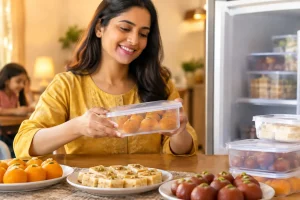
Storage depends on the sweet. Milk-based items and syrup sweets commonly need refrigeration, while many dry sweets can be kept in a cool, dry place for a shorter period. Always follow the package instructions, especially during warm weather. Heat can affect texture quickly, and refrigeration can change the firmness of certain sweets.
Keep sweets in their original container or an airtight box. Avoid leaving a full tray open during a long gathering, as moisture and warm room temperatures can affect quality. If you are serving chilled mithai, take it out shortly before guests arrive so the flavors are not muted by the cold.
Buy quantities that match your plans. A large box is excellent for a party or festival visit, but a smaller selection may be smarter for a weeknight treat. This is one of the simplest ways to enjoy handmade sweets at their best and avoid throwing away leftovers.
A trusted Indian grocery store makes mithai shopping easier because you can find everyday staples and celebration treats in one stop. At One Stop Supermarket, shoppers can choose handmade Indian sweets alongside pantry essentials, snacks, dairy, and ready-to-eat favorites for a convenient household order.
Start with the sweets your family already loves, then add one variety you have not tried. A mixed box can become a small tasting tradition after dinner, during chai, or when relatives stop by. The best mithai is not always the most expensive or elaborate one – it is the sweet that brings people to the table for one more piece and one more conversation.