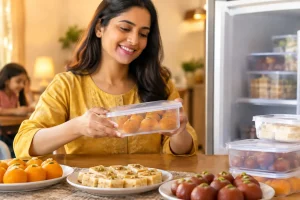
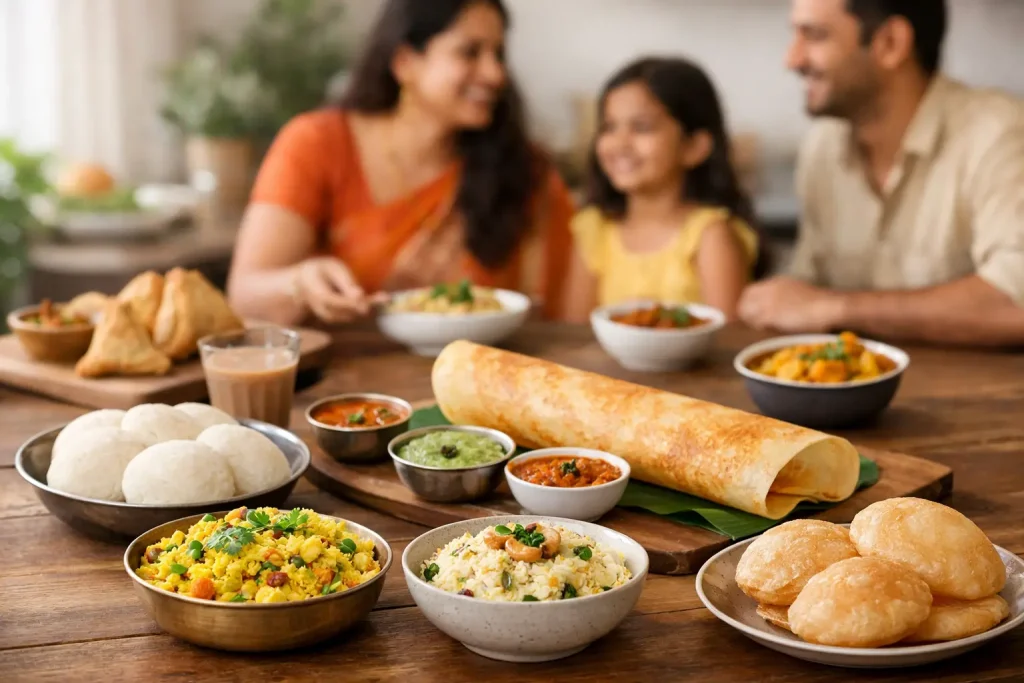
A good guide to Indian breakfast staples starts with a familiar truth: morning meals do not need to be complicated to feel satisfying. A warm bowl of poha, crisp dosa with chutney, or a flaky paratha with yogurt can turn a rushed weekday into something that feels closer to home. The key is keeping the right pantry basics, refrigerated items, and quick-cook options on hand.
For busy households, Indian breakfast is less about making the same dish every day and more about having choices. Some mornings call for a five-minute instant mix. Others leave room for a batter-based breakfast or a filling stuffed paratha. Stocking a few reliable staples means you can decide at breakfast time, not during a last-minute grocery run.
The most useful breakfast pantry is built around ingredients that work across several dishes. Poha, suji, rice flakes, semolina, dals, flours, spices, and savory mixes each earn their place because they are flexible, familiar, and easy to store. Choose packet sizes that match how often your family cooks. A larger bag may offer better everyday value for a household that makes breakfast at home often, while smaller packs help if you are trying a new item for the first time.
Poha is one of the most dependable Indian breakfast staples because it cooks quickly and needs very little preparation. Thick poha is usually the better choice for a soft yet separate texture, while thin poha works for lighter preparations and snacks. Rinse it briefly rather than soaking it too long, then let it rest while you prepare the tempering.
Mustard seeds, cumin, curry leaves, turmeric, peanuts, salt, and a little sugar create the classic balance many families expect. Lemon juice added at the end gives it brightness. Keep roasted peanuts and a good-quality poha packet in the cupboard, and breakfast can be ready in the time it takes to make tea.
Suji, also called rava or semolina, is a genuine workhorse. It becomes savory upma on one morning and sweet sheera on another. Roasting suji before adding liquid gives a nuttier flavor and helps prevent a raw taste. If you cook upma regularly, buying roasted rava can save a few minutes, although plain suji gives you more control over the final texture.
For a softer upma, use a little more water and allow it to rest covered after cooking. For sheera, ghee, sugar, and cardamom turn the same pantry ingredient into a warm breakfast or a simple offering for special mornings. This versatility makes suji a smart item to replenish every week or two.
Atta is essential for homemade rotis and parathas, but breakfast cooking benefits from more than one flour. Besan is useful for quick cheela, while rice flour and urad dal flour can support crisp dosa-style preparations. Ready-made multigrain flour blends can also be practical for families looking to vary their routine without storing many separate ingredients.
Cheela is especially useful when time is tight. A seasoned besan batter cooks quickly in a skillet and can be served with yogurt, pickle, or chutney. It is not identical to a fermented dosa, but it is a dependable alternative when you want a warm, savory breakfast without overnight planning.
Dosa and idli are favorites for a reason: they are light, filling, and easy to pair with different sides. Traditional batter made from rice and urid dal has a flavor that comes from soaking, grinding, and fermenting. It is worth making when you enjoy the process and have time to plan ahead.
On a busy week, refrigerated ready dosa or idli batter is often the more practical choice. Look for batter with a clean, pleasantly tangy aroma and check the use-by date before purchasing. Keep it cold, use a clean ladle, and close the container promptly after each use. These small habits help maintain quality through several breakfasts.
For crisp dosas, the pan needs to be properly heated before the batter goes on. Spread the batter from the center outward, use only a little oil or ghee, and avoid flipping too early. Idlis are even simpler: grease the molds lightly, steam until set, and let them stand briefly before removing. Serve either with coconut chutney, tomato chutney, podi, or sambar depending on what your household enjoys.
Frozen roti, paratha, and naan-style breads are valuable when the morning schedule leaves no room for dough preparation. They cook straight from the freezer in a skillet and provide the warm, layered texture that makes breakfast feel substantial. Plain parathas are versatile, while stuffed varieties can be a complete meal with yogurt and pickle on the side.
There is a trade-off. Homemade parathas let you control the filling and amount of ghee, while frozen options win on speed and consistency. Both have a place in a well-stocked kitchen. Keep a few packs for school mornings, unexpected guests, or days when a full cooked breakfast is simply not realistic.
Serve parathas with plain yogurt, a spoonful of achar, or a cup of masala chai. If you prefer something lighter, pair a plain roti with leftover dal from the previous evening. Indian breakfast often works best when it uses what is already in the kitchen well.
The side dish is what keeps familiar breakfast staples from becoming repetitive. A dosa with coconut chutney feels different from the same dosa with spicy podi and sesame oil. Poha with peanuts has one character; poha with a spoonful of tangy pickle has another.
Keep a few dependable options available: coconut chutney mix for fast preparation, dry podi for dosa and idli, achar for parathas, and yogurt for cooling contrast. Ready-to-eat sambar or instant sambar mixes can also help turn idli or dosa into a more complete meal without starting from scratch.
When buying packaged chutneys and mixes, check whether your family prefers mild, medium, or hot heat levels. Brand familiarity matters here. A trusted Indian brand often delivers the taste, texture, and spice balance people expect from foods they have eaten for years.
Instant poha, upma, idli mixes, and ready-to-eat breakfast packs are not a replacement for every homemade meal, but they are useful household backups. They are especially helpful for early workdays, travel, college students, and families managing packed schedules.
The best approach is to use them strategically. Keep a few varieties so breakfast does not feel repetitive, then rotate them with homemade poha, cheela, parathas, and batter-based dishes. Add yogurt, chutney, tea, or a warm drink alongside an instant meal to make it feel more complete.
Instead of buying breakfast ingredients only when you run out, build them into your regular household shop. Replenish poha, suji, atta, besan, spices, tea, and snack sides as pantry essentials. Check refrigerated batter and yogurt before the weekend, and keep frozen breads ready for weekdays.
At One Stop Supermarket, families can find authentic Indian breakfast essentials alongside the everyday groceries that support a well-stocked home kitchen. Choosing genuine brands, checking dates, and buying the pack size that suits your household helps you get better value without compromising on familiar taste.
The best breakfast shelf is not the biggest one. It is the one that gives your family an easy answer at 7 a.m.: poha when you want comfort, dosa when you want a classic, paratha when you need something filling, and an instant option when time is short. Keep those choices within reach, and morning meals become one less thing to worry about.