You can usually tell within seconds whether a spice section is worth your time. The color looks alive, the aroma is clear, and the brands are familiar. If you have ever stood in the aisle wondering how to choose Indian spices without overbuying or picking the wrong one, the good news is that it gets much easier once you know what to look for.
Indian cooking does not require a huge spice cabinet on day one. What it does require is the right basics in the right form, from trusted brands, with good freshness. A smaller set of dependable spices will do more for your everyday dal, sabzi, curry, pulao, and snacks than a shelf full of random packets that lose flavor before you use them.
Start with the meals you actually cook each week. That matters more than buying every spice you have seen in a recipe video. If your regular rotation includes dal, khichdi, vegetable curries, egg curry, poha, or biryani, your spice choices should support those dishes first.
For many households, a practical starting set includes turmeric, red chili powder, cumin seeds, coriander powder, mustard seeds, garam masala, and cumin powder. If you cook South Indian food more often, you may also want curry leaves in dried form if available, black mustard seeds, sambar powder, rasam powder, and asafoetida. If your meals lean North Indian, kasuri methi, chaat masala, pav bhaji masala, and kitchen king masala may get used more often.
The key is matching spices to usage. A spice that sits untouched for six months is not a bargain, even if the pack price looked good.
One of the first choices shoppers face is whether to buy whole spices or ground spices. There is no single right answer. It depends on your cooking style, how often you cook, and how much time you want to spend on prep.
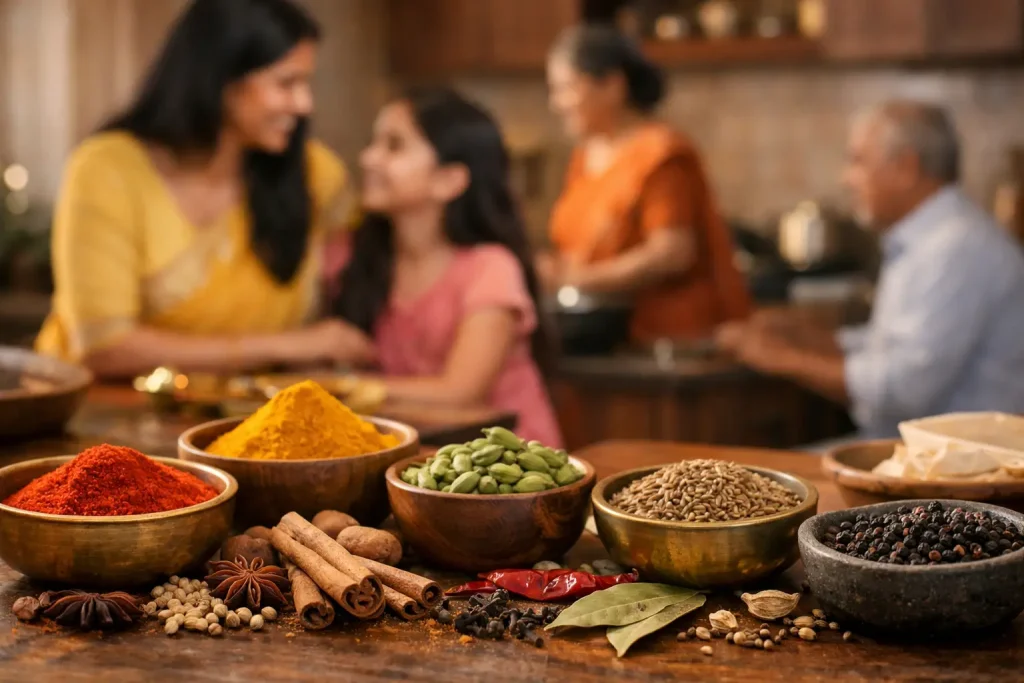
Whole spices usually keep their flavor longer. Cumin seeds, coriander seeds, cloves, cardamom, black pepper, cinnamon sticks, bay leaves, and fennel seeds are all smart pantry staples if you cook often and want stronger aroma. They are especially useful for tempering, rice dishes, chai, and recipes where the spice is heated in oil or ghee at the start.
Ground spices are more convenient and faster for busy weeknights. Turmeric powder, coriander powder, chili powder, cumin powder, and garam masala are used in everyday cooking because they save time and blend quickly into gravies and dry dishes. The trade-off is shelf life. Ground spices lose their punch faster, so it is better to buy sizes you will actually finish.
A practical middle ground works well for most homes. Keep a few core whole spices for tempering and rice dishes, then use ground spices for everyday convenience.
If you want to know how to choose Indian spices that will actually improve your cooking, freshness should be near the top of the list. Old spices can make food taste flat even when the recipe is correct.
Look first at color. Turmeric should be bright, not dull and brownish. Red chili powder should look vibrant, whether it is a deep red or a lighter shade depending on the variety. Coriander powder should not look gray or tired. Whole spices should appear clean and intact rather than dusty, broken, or faded.
Then check the aroma if the packaging allows you any clue through sealing or brand familiarity. Cumin should smell warm and earthy. Cardamom should smell sweet and strong. Cloves should smell sharp and rich. If a spice has little aroma, it may already be past its best.
Packaging also tells you a lot. Well-sealed packs protect flavor better than loosely packed products. Clear labeling, packed dates, and recognized Indian brands can give extra confidence, especially for households that buy the same staples regularly.
Many shoppers get confused not because spices are complicated, but because names and blends can be similar. Chili powder is a common example. Some are made mainly for heat, while others are chosen for color. Kashmiri chili powder gives milder heat with a bright red color. Standard hot chili powder brings more spice. That difference can change a dish quite a bit.
Garam masala also varies by brand and region. Some blends are warmer and heavier on clove or cinnamon. Others are lighter and more balanced. If you already have a favorite flavor profile at home, it is worth sticking with the same trusted brand rather than switching every shop.
The same goes for regional masalas like sambar powder, rasam powder, biryani masala, chole masala, and pav bhaji masala. These are convenience blends, and they can save time, but they are not all interchangeable. Buy according to the dishes you actually make. A good biryani masala is useful if biryani is on your menu. It is less useful if your weekly cooking is mostly simple dal and sabzi.
If you are newer to Indian cooking, keep your first shop simple. You do not need to build a restaurant pantry. Start with a small set that covers the widest range of dishes and then add from there.
A beginner-friendly base usually includes turmeric, cumin seeds, mustard seeds, coriander powder, red chili powder, garam masala, and asafoetida if you cook dals and lentil dishes often. From that point, you can build based on what your family enjoys. If you make tea daily, add cardamom and cloves. If you like chaats and snacks, add chaat masala and roasted cumin powder. If rice dishes are common, keep bay leaves, cinnamon, cloves, and green cardamom on hand.
This approach saves money and shelf space. It also helps you learn what each spice contributes, which makes future shopping easier.
Value is not just about the lowest shelf price. It is about how much usable flavor you are getting before the spice goes stale. For spices you use every day, larger packs often make sense. Turmeric, cumin seeds, coriander powder, and chili powder usually move fast in family kitchens.
For spices used occasionally, smaller packs are often the better buy. Nutmeg, black cardamom, star anise, fenugreek seeds, and specialty masalas can last a long time in the pantry if you buy more than you need. Unless you cook those dishes regularly, a smaller pack keeps things fresher and reduces waste.
This is where a reliable Indian supermarket makes a difference. When you can choose from different sizes, genuine brands, and everyday staples in one place, it is easier to buy exactly what fits your household instead of settling for whatever is left on the shelf.
Even the best spices will fade if they are stored badly. Heat, moisture, and direct light are the usual problems. Keep spices in airtight containers or in their original sealed packs, then place them in a cool, dry cabinet away from the stove when possible.
If you buy whole spices in bulk, consider transferring smaller amounts into a daily-use jar and keeping the rest tightly sealed. For ground spices, clean, dry spoons make a real difference. A little steam from cooking can shorten shelf life faster than people expect.
Good storage protects your budget as much as your flavor. It helps you get full value from every packet.
When choosing between products, look for genuine Indian brands, clear labeling, and packs that feel properly sealed and well handled. If a supermarket has strong turnover in core pantry staples, that is usually a good sign for freshness. It also helps when you can find both everyday basics and regional specialties in the same place, especially if you are shopping for a full week of meals.
At One Stop Supermarket, many families shop this way – picking up trusted spice brands along with rice, dals, instant foods, frozen breads, sweets, and pantry staples in one order. That convenience matters when you are restocking for real household cooking, not just buying for one recipe.
The best spice choice is rarely the most expensive or the most complicated. It is the one that suits your food, your schedule, and your family’s taste. Start with what you cook often, choose fresh and trusted packs, and let your pantry grow naturally from there.