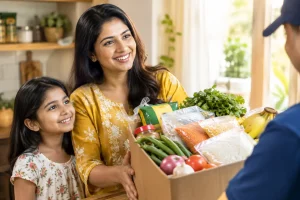
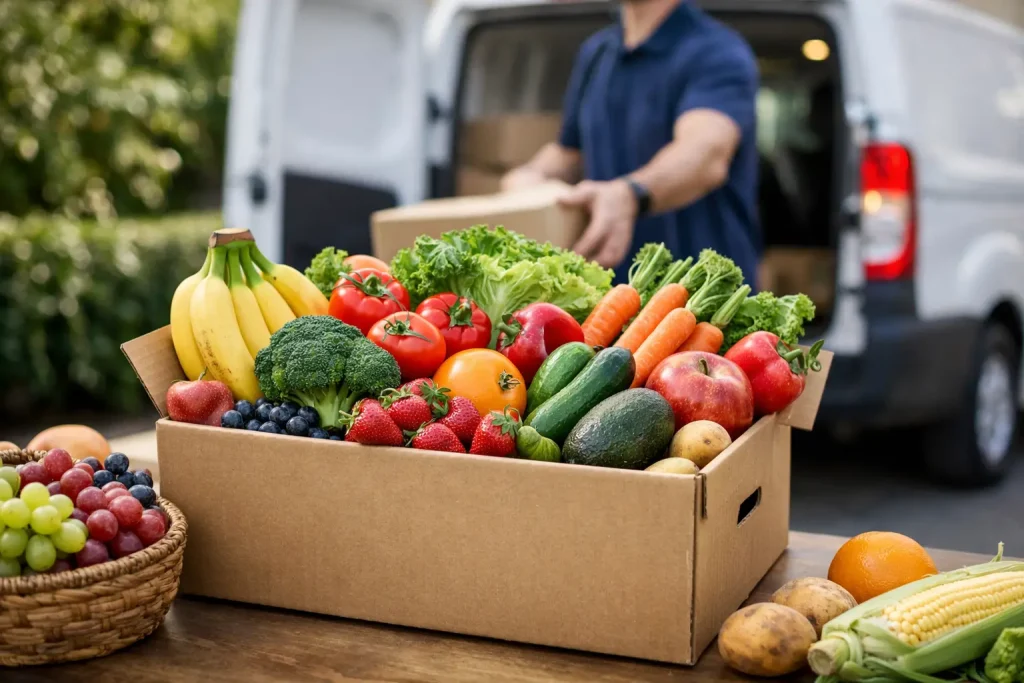
Type fresh fruits and vegetables delivery into a search bar and it sounds like the easiest part of your week is already handled. But for most households, the real question is not whether delivery exists. It is whether the order will arrive in good condition, feel worth the money, and actually make regular grocery shopping easier.
That matters even more for families who already balance pantry staples, dairy, frozen foods, snacks, and prepared meals in the same weekly order. Delivery can save time, but only when the store is consistent, local enough to serve your area properly, and clear about what it actually stocks.
A good fresh fruits and vegetables delivery service is not just selling convenience. It is promising that products picked by someone else will still meet your standards when they reach your door.
That sounds simple, but quality depends on several things behind the scenes. The store has to move stock quickly, handle produce carefully, and pack orders in a way that protects softer items from damage. If that process is weak, the problem shows up fast. Bruising, early spoilage, and substitutions are usually signs of poor handling rather than bad luck.
For shoppers, that means the best delivery option is rarely the one with the biggest claim. It is the one with the clearest everyday reliability. If you are ordering for a household, consistency beats marketing every time.
Fresh fruits and vegetables delivery fits best when your shopping routine is predictable. If you already know the basics your home goes through every week, delivery helps you replace a store trip with a planned order.
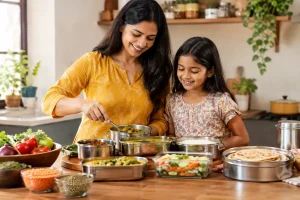
For a busy family, that can be a real advantage. You can restock rice, lentils, spices, dairy, frozen breads, snacks, and ready-to-eat items in one go instead of making separate trips. That kind of one-stop order matters more than people admit. Convenience is not just about staying home. It is about reducing small repeat errands that eat up time.
Still, it depends on how you shop. Some people want to personally inspect every tomato, mango, or bunch of herbs before buying. Others are happy to trade that control for speed, especially when ordering routine household items. Delivery is strongest when the store understands this difference and keeps expectations honest.
The first thing to check is range. Many stores may appear in searches for fresh fruits and vegetables delivery, but that does not automatically mean they are a full weekly grocery solution. Some focus on produce only. Others are stronger in packaged foods, frozen lines, dairy, or specialty pantry staples.
That distinction matters because the easiest order is often the one that combines categories. If you still need to shop somewhere else for your dals, atta, spices, biscuits, frozen paratha, drinks, or sweets, then delivery has solved only part of the problem.
The second thing to check is how local the service really is. A nearby supermarket with a practical delivery area often gives a better experience than a broad service trying to cover too much ground. Shorter distances can help with timing, stock accuracy, and product condition. Local stores also tend to understand repeat buyers better because they are serving the same neighborhoods every week.
The third thing is product trust. This is especially important for culturally specific grocery shopping. If your household depends on genuine Indian brands and familiar staples, a general delivery app may not be enough. You need a retailer that knows the difference between everyday basics and the specific items customers actually come back for.
People often assume faster is always better. It is not that simple.
Very fast delivery can be useful when you forgot milk, yogurt, bread, or snacks. But when you are doing a proper household restock, selection usually matters more than speed by itself. A store that gives you the right rice, the preferred lentil brands, frozen vegetables, and prepared foods your family will actually use may be more valuable than one that arrives a little sooner but forces substitutions.
This is where local supermarket delivery often has an edge. It can feel more practical because it reflects how real households shop. The order is not just a few emergency items. It is a week of meals, lunchbox fillers, cooking basics, and a few comfort foods added at the same time.
For many South Asian households, grocery shopping is not just about filling a cart. It is about finding ingredients that work for the food you cook every day. Brand familiarity matters. Texture matters. Even the type of flour, rice, dal, or spice blend matters.
That is why not every store showing up for fresh fruits and vegetables delivery will feel useful to the same customer. If the store does not carry the pantry staples your household depends on, convenience falls apart quickly. You may save one trip, but then you lose time searching somewhere else for the items that actually make dinner possible.
A dependable neighborhood supermarket stands out when it combines cultural familiarity with practical delivery. That means trusted Indian groceries, fair pricing, and enough variety to support routine shopping rather than one-off novelty purchases.
There are a few common issues that affect whether delivery feels worth repeating. One is unclear stock availability. If too many products are unavailable after checkout, customers start to lose confidence. Another is poor category balance. A store may be strong in snacks and drinks but weak in staples, or good for frozen items but limited for dairy and household basics.
Pricing also matters, but not always in the way shoppers expect. The lowest headline price does not always mean the best value. A reliable supermarket with strong everyday pricing, familiar brands, and fewer wasted trips can be the better choice over time. When households shop weekly, consistency often saves more than chasing one-time deals.
It also helps to think about order purpose. If you need ingredients for specific meals, accuracy matters most. If you are topping up household basics, convenience may matter more. The best store is the one that matches that purpose without overpromising.
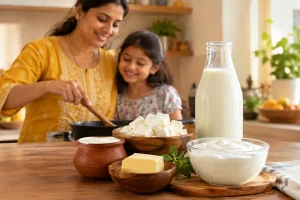
The phrase fresh fruits and vegetables delivery gets attention because it sounds healthy, simple, and immediate. But for many families, the more useful service is broader. They want a store that helps cover everyday cooking, quick meals, snacks for the kids, frozen backups, tea-time items, and a few ready-to-eat options for busy evenings.
That is where a practical neighborhood model makes sense. Instead of treating delivery like a luxury add-on, it becomes part of regular household shopping. You order what you know your family needs, add a few extras, and keep the week moving.
For local shoppers in suburbs such as Calamvale, Algester, Pallara, and nearby areas, that kind of convenience can make a real difference. A trusted store that already understands community buying habits is usually better positioned to deliver the products people buy repeatedly, not just the products that look good in an ad.
One Stop Supermarket fits that everyday model by focusing on authentic Indian groceries, frozen foods, dairy, snacks, sweets, and household essentials in one place. For shoppers who value trusted brands, good pricing, and local delivery that supports routine buying, that approach is often more useful than chasing a generic service with a wider claim but less relevance.
The best grocery delivery choice is usually the one that quietly makes your week easier. If a store helps you refill the kitchen, stay on budget, and get the brands your family already trusts, that is the service worth coming back to.