Some grocery trips are simple. Others turn into three-store errands because one place has the right atta, another has the dal you need, and a third has the frozen paratha your family actually likes. That is exactly why an authentic indian food list matters. When you know the staples that truly belong in an Indian kitchen, shopping gets faster, meals feel more familiar, and you waste less time guessing what to buy.
For many households, authentic Indian food is not a trend or a once-a-month treat. It is everyday food – rice for lunch, dal for dinner, chai in the morning, snacks for the kids, and pantry basics that need regular restocking. The right list is not about buying everything at once. It is about knowing the categories that make home cooking easier and choosing trusted products you will use again and again.
Most Indian meals begin with the basics, and grains usually lead the way. Rice is the backbone of many homes, but the type matters. Basmati is the obvious favorite for biryani, pulao, and special meals because of its aroma and long grain. Sona masoori is lighter and works well for daily cooking, especially when you want a softer, less heavy rice on the plate.
Wheat staples are just as important. Atta is essential for chapati, roti, and paratha, and households tend to stay loyal to the brand and texture they trust. If your weekly meals include quick breakfasts or easy dinners, frozen roti and frozen paratha can be a practical backup. They are not a replacement for everything homemade, but they save time on busy days and still keep a familiar meal on the table.
Semolina, flattened rice, and vermicelli also deserve a place in the pantry. Suji is useful for upma and sweets, poha is a breakfast staple in many homes, and vermicelli works for both savory and sweet dishes. These are the items that often get forgotten until you need them immediately.
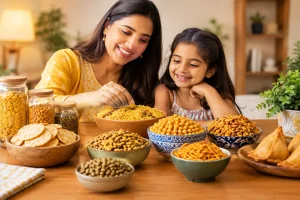
A real Indian pantry is built around variety, and dals are a big reason why. Toor dal is a daily essential in many homes for sambar and simple dal preparations. Moong dal cooks quickly and is ideal when you want something light. Chana dal brings a firmer texture and a nuttier taste, while urad dal is central to dishes like dal makhani as well as batters for idli and dosa.
Masoor dal is another strong everyday choice because it is easy to cook and works well for weeknight meals. Whole lentils and beans also matter. Rajma, chickpeas, black-eyed peas, and whole moong support a wider range of curries, gravies, and one-pot meals. If you are building a useful authentic indian food list, this is one area where a little variety goes a long way.
There is also a practical side to shopping for dals. Some families buy in bulk because these items move fast. Others prefer smaller packs to keep the pantry fresh and manageable. It depends on how often you cook and how many people you are feeding.
You can cook with rice and dal from anywhere, but the spice shelf is where the difference becomes obvious. Turmeric, red chili powder, cumin seeds, coriander powder, mustard seeds, garam masala, and hing are the core of countless dishes. Without them, food may still be filling, but it will not taste like home.
Whole spices matter too. Cardamom, cloves, cinnamon, bay leaves, black pepper, and fennel seeds are used in everything from masala chai to biryani to festive sweets. Curry leaves and kasuri methi add another layer of flavor that many cooks consider essential.
Then there are spice blends. This is where convenience and authenticity can work together. Ready-made masalas for chole, pav bhaji, biryani, sambar, rasam, and meat dishes can save time without forcing you to build every blend from scratch. The trade-off is personal preference. Some cooks want full control and buy whole spices only, while others prefer a mix of basics and dependable prepared blends for faster weekday meals.
Indian cooking depends on more than the obvious headline items. Ghee is one of those products that turns simple food into satisfying food, whether you are finishing dal, spreading it on hot roti, or using it in sweets. Paneer is another regular purchase for households that want easy protein options for curries, stir-fries, and snacks.
Yogurt is useful across daily cooking, from marinades and raita to kadhi and lassi. Pickles and chutneys also matter more than people expect. A meal can feel complete with plain rice, dal, and a good pickle on the side. Papad works the same way – not essential every day, but very welcome when you want more texture and flavor without extra cooking.
Other pantry helpers include tamarind, jaggery, gram flour, rice flour, sabudana, and coconut products. These may not go into every meal, but when a recipe calls for them, there is no easy substitute. Keeping them on hand saves last-minute frustration.
Not every authentic food purchase needs to be part of a cooked meal. Indian households often shop for snacks with the same care they use for staples. Mixtures, sev, bhujia, khakhra, namkeen, and ready-to-eat savory items are part of daily life, especially for lunchboxes, tea time, and guests.
Biscuits are another regular buy. From tea biscuits to cream biscuits and classic glucose varieties, these are small but familiar comforts that disappear quickly in family homes. Instant foods also make sense for busy schedules. Noodles, upma mixes, poha mixes, and heat-and-eat meals are useful when time is short but you still want recognizable flavors.
This is one area where shoppers usually balance authenticity with convenience. A fully homemade snack spread is great when you have time. On an ordinary weekday, ready-to-eat and instant options can be the reason everyone gets fed without stress.
Frozen Indian foods are no longer just backup items. For many families, they are part of normal weekly shopping. Frozen roti and paratha are obvious favorites because they help with fast breakfasts and simple dinners. Frozen vegetables used in Indian cooking, such as peas or mixed specialty options, can also save prep time and reduce waste.
The same goes for frozen snacks and meal helpers. Depending on the household, these products can support after-school eating, quick entertaining, or those evenings when cooking from scratch is just not happening. Authenticity here depends on quality. Good frozen Indian products still need to deliver familiar taste, proper texture, and reliable results.
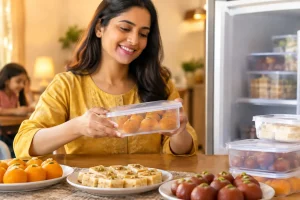
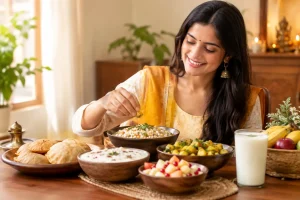
An authentic pantry is important, but Indian food culture is not only about raw ingredients. Traditional sweets and prepared hot food are part of the experience as well. Gulab jamun, laddu, barfi, and other handmade sweets are not just festive purchases. Many families buy them for guests, prayer offerings, celebrations, or simply because they want something familiar after dinner.
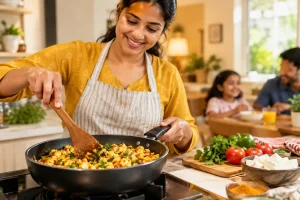
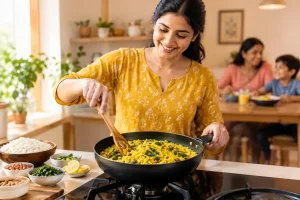
Prepared Indian hot food has a place too, especially for working households and last-minute meal planning. Sometimes convenience is the best way to stay connected to the food you grew up with. There is nothing less authentic about choosing a ready option when it is made well and fits real life.
The smartest way to use an authentic indian food list is to divide it into weekly staples and occasional essentials. Rice, atta, common dals, core spices, yogurt, snacks, and tea supplies usually belong in the weekly or fortnightly routine. Specialty flours, festive sweets, rare spices, and certain instant items can be bought as needed.
It also helps to shop by how your household actually eats. If you make dal four nights a week, invest in the varieties you use most. If your family prefers breakfast items like poha, upma, or paratha, keep those ready. If guests are common in your home, sweets, biscuits, namkeen, and frozen backup items are worth keeping on hand.
For shoppers who want both reliability and convenience, one well-stocked Indian supermarket makes a real difference. Being able to buy trusted brands, pantry staples, frozen breads, dairy, snacks, sweets, and hot food in one trip saves time and keeps weekly shopping practical. That is especially helpful for families ordering locally around Calamvale, Pallara, Algester, and nearby suburbs where quick replenishment matters.
The best food list is the one that matches your home, your schedule, and the meals your family actually wants to eat. Start with the staples, restock what moves fastest, and keep a few ready options for busy days. Good Indian grocery shopping should feel familiar, affordable, and easy enough to do again next week.