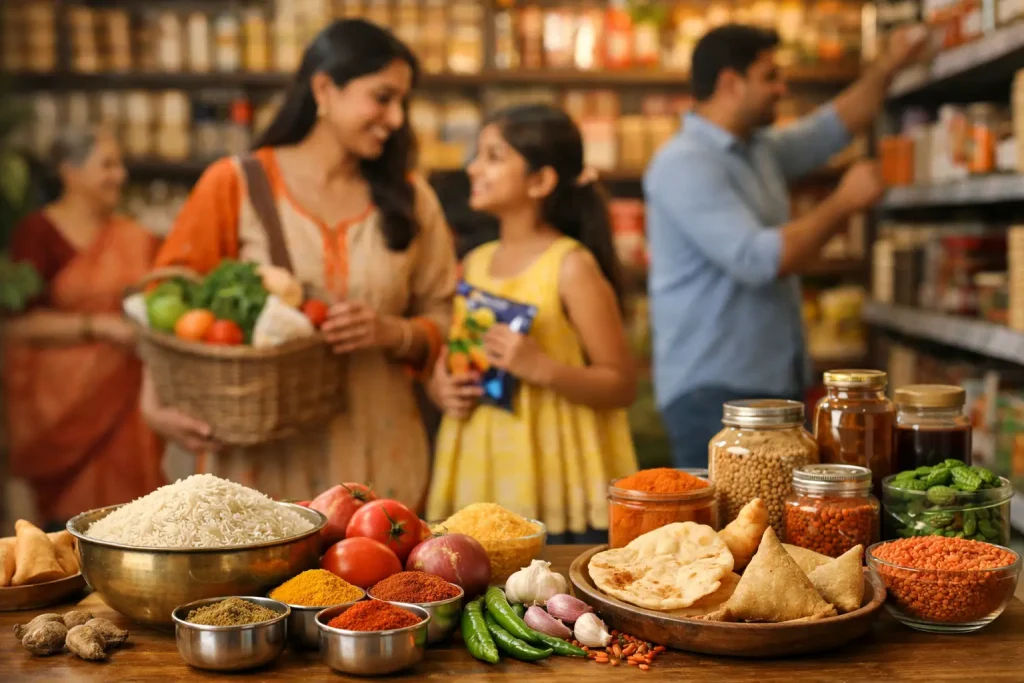
You do not need a cart full of random packets to cook Indian food well at home. Most households rely on a familiar mix of rice, dals, spices, dairy, snacks, and freezer staples that work across many meals in a week. That is exactly where an indian grocery shopping guide becomes useful – not as a long wishlist, but as a practical way to shop once, spend wisely, and keep the kitchen ready for everyday cooking.
For many families, the challenge is not finding Indian groceries. It is finding the right brands, the right pack sizes, and the right balance between pantry basics and quick meal options. Some shoppers know exactly which toor dal or sona masoori rice they want. Others just want one reliable store where they can pick up essentials, a few ready-to-eat backups, and snacks for the house without making multiple stops.
The easiest way to shop better is to think in meal patterns, not just product categories. If your home cooks dal rice three nights a week, packs lunchboxes, serves chai twice a day, and wants quick options for busy evenings, your grocery cart should reflect that routine. Shopping this way reduces waste and helps you avoid buying specialty items that sit in the pantry for months.
Start with the foods your household actually repeats. One family may need basmati rice, chana dal, atta, yogurt, masala chai, and frozen paratha every week. Another may use idli batter alternatives, poha, upma mixes, sabudana, curd, biscuits, and ready snacks more often. There is no single perfect list. The best grocery plan is the one that matches your real meals, not your best intentions.
Rice is usually the anchor. Basmati works well for biryani, pulao, and everyday long-grain meals, while sona masoori is a dependable choice for regular home cooking because it is lighter and versatile. If your household rotates between both, buying one large bag of your everyday rice and a smaller pack of basmati can be the more practical option.
Dals and lentils are the next layer. Toor dal, moong dal, urad dal, masoor dal, and chana dal each cook differently and suit different dishes. If you are stocking a kitchen from scratch, begin with two or three that cover most of your week rather than trying to buy every variety at once. A home that regularly makes sambar will prioritize toor dal. A household focused on khichdi or light weekday meals may use more moong dal. Urad dal matters if dosa, idli, or dal makhani are part of your routine.
Flours and dry staples matter just as much. Atta is the obvious weekly buy for homes making roti or chapati, but it is worth checking the grind and brand that your family already trusts. Alongside atta, many homes keep besan, poha, vermicelli, semolina, and sabudana because they make breakfast and fasting meals easier to pull together.
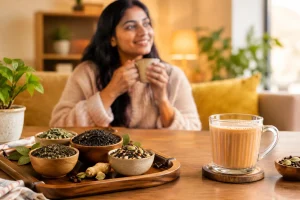
Then come the everyday flavor builders. You do not need a massive spice cabinet to cook well. Turmeric, red chili powder, cumin seeds, mustard seeds, coriander powder, garam masala, hing, and whole spices such as cloves or cinnamon cover a lot of ground. The trade-off is freshness versus quantity. Large value packs are cost-effective if you cook often. Smaller packs are smarter if you use certain spices only occasionally.
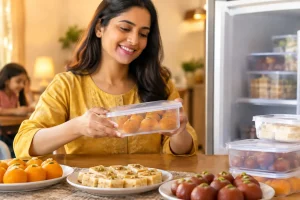
Indian grocery shopping is rarely only about pantry staples. Dairy products, biscuits, savory snacks, and frozen breads are part of how many families actually eat through the week. A good shop should make those everyday add-ons easy to pick up in the same trip.
Yogurt, paneer, butter, and ghee often move quickly in Indian households. If you use paneer in curries, wraps, or snacks, buying fresh stock from a trusted store matters more than chasing a discount on an unfamiliar brand. The same goes for ghee. Many shoppers are brand loyal here for good reason because taste and aroma vary quite a bit.
Snacks deserve a place in the plan too. Biscuits for tea, namkeen for guests, instant noodles for late evenings, and ready-to-eat packs for rushed workdays all serve a purpose. They are not extras if your household genuinely uses them. The only trick is to buy intentionally. A few reliable favorites beat a pile of impulse snacks that disappear too quickly or never get opened.
Frozen breads and frozen vegetables can save dinner on busy nights. Roti, naan, and paratha are useful backups when there is no time to knead dough. They are also worth keeping on hand for lunchboxes and quick side dishes. Convenience foods do not replace home cooking, but they make it easier to stay on track during a packed week.
Bulk buying sounds economical, and often it is. Rice, atta, oil, and fast-moving dals usually make sense in larger packs if you have storage space and use them regularly. The savings are real when the item is part of your weekly routine.
But bulk buying every category can backfire. Spice blends lose punch over time. Specialty flours may sit untouched. Seasonal snack cravings change. If you are trying a new ingredient or brand, it is usually better to start small. Saving a few dollars on a large pack is not much of a bargain if half of it gets wasted.
This is especially true for households with mixed preferences. One person may want strong masala mixes, another may prefer cooking from scratch. Some families go through boxes of instant foods quickly, while others keep them only for emergencies. Shopping habits should follow actual use, not just the appeal of a discount sticker.
Brand familiarity matters in Indian groceries because taste, texture, and consistency matter. The rice that cooks just right for your family, the tea that tastes like home, or the pickle your kids actually eat can be hard to replace. Trusted brands remove guesswork from routine shopping.
At the same time, value matters too. A dependable local supermarket that carries genuine Indian brands alongside everyday deals gives shoppers more flexibility. Sometimes the best buy is your usual product in a larger pack. Other times, a store special on a comparable brand helps stretch the weekly budget without sacrificing quality.
This is where shopping at a store that understands Indian household needs makes a real difference. You are not searching aisle after aisle for one packet of urad dal and another shop for frozen paratha. A one-stop format saves time, reduces substitutions, and makes repeat shopping easier.
For busy households, convenience is not a bonus. It is what keeps the pantry full. Online ordering works especially well for repeat purchases like rice, dals, atta, spices, biscuits, frozen breads, dairy, and ready-to-eat items because you already know what your family uses.
The advantage is not only speed. It is consistency. Once you know your regular items, reordering becomes simple and helps avoid the midweek problem of missing one key ingredient. If you live around Brisbane south suburbs and prefer neighborhood convenience, One Stop Supermarket gives families a practical way to handle regular Indian grocery shopping without turning it into a half-day task.
In-store shopping still has its place, especially when you want to browse new snacks, compare pack sizes, or check what is freshly stocked. For many customers, the best system is a mix: do the main refill online, then top up in store when needed.
A useful indian grocery shopping guide should leave you with a routine you can repeat. Think of your weekly shop in three layers. First, restock the staples your meals depend on. Next, add the support items that make breakfasts, tea time, and quick dinners easier. Then finish with a few comfort items such as sweets, snacks, or instant foods that fit your household habits.
That balance keeps your kitchen practical. It also helps control overspending. When every item has a job, whether it is for dal night, school snacks, chai breaks, or a fast dinner, your cart starts working harder for your family.
A good Indian grocery shop should feel familiar, reliable, and easy to return to week after week. When the brands are genuine, the basics are well stocked, and the shopping fits real home cooking, feeding the household becomes a lot less stressful and a lot more satisfying.